

For most of the last few decades, Colombo played a supporting role in the Sri Lankan holiday. Visitors landed, slept off the flight, and left the next morning for Sigiriya, Kandy or the south coast — treating the capital as a corridor rather than a destination. Ask a returning traveller what they did in Colombo and the honest answer was usually "not much."
That is changing, and not because of one new attraction. It is the accumulation of several: a reclaimed waterfront district taking shape beside Galle Face, international touring artists adding Colombo to their calendars, a stronger café and rooftop-dining scene, sunset cruises off the coast, and a water park within an hour's drive that gives families a genuine reason to build in an extra day. None of this replaces the ancient cities or the hill country. It does mean Colombo now holds its own for a night or two either side of them.
Colombo is no longer only the door you walk through on the way to Sri Lanka's ancient cities and beaches. It is turning into a stop worth planning around in its own right — heritage in the morning, the ocean at sunset, and a city that keeps going after dark.
Colombo's Transformation into an Entertainment Destination
What is actually new is not any single building. It is the range of things now available inside one compact, walkable city. A visitor can stand in a British-era courtroom-turned-museum by mid-morning, browse a Dutch-era shopping arcade by lunch, watch the sun drop into the Indian Ocean at Galle Face by early evening, and be at a rooftop bar or a live show two hours later. Few cities in South Asia let you move between those registers — colonial, contemporary, oceanfront, nocturnal — in a single day without a car ride longer than fifteen minutes.
Layer onto that a hotel scene that has grown considerably more sophisticated, a dining culture that ranges from street-side kottu stalls to fine dining with harbour views, and a calendar that increasingly includes touring musicians and DJs, and the "gateway city" label starts to look outdated. Colombo is becoming a reason to extend a Sri Lankan holiday, not just the airport you fly in and out of.
Port City — The New Face of Colombo's Waterfront
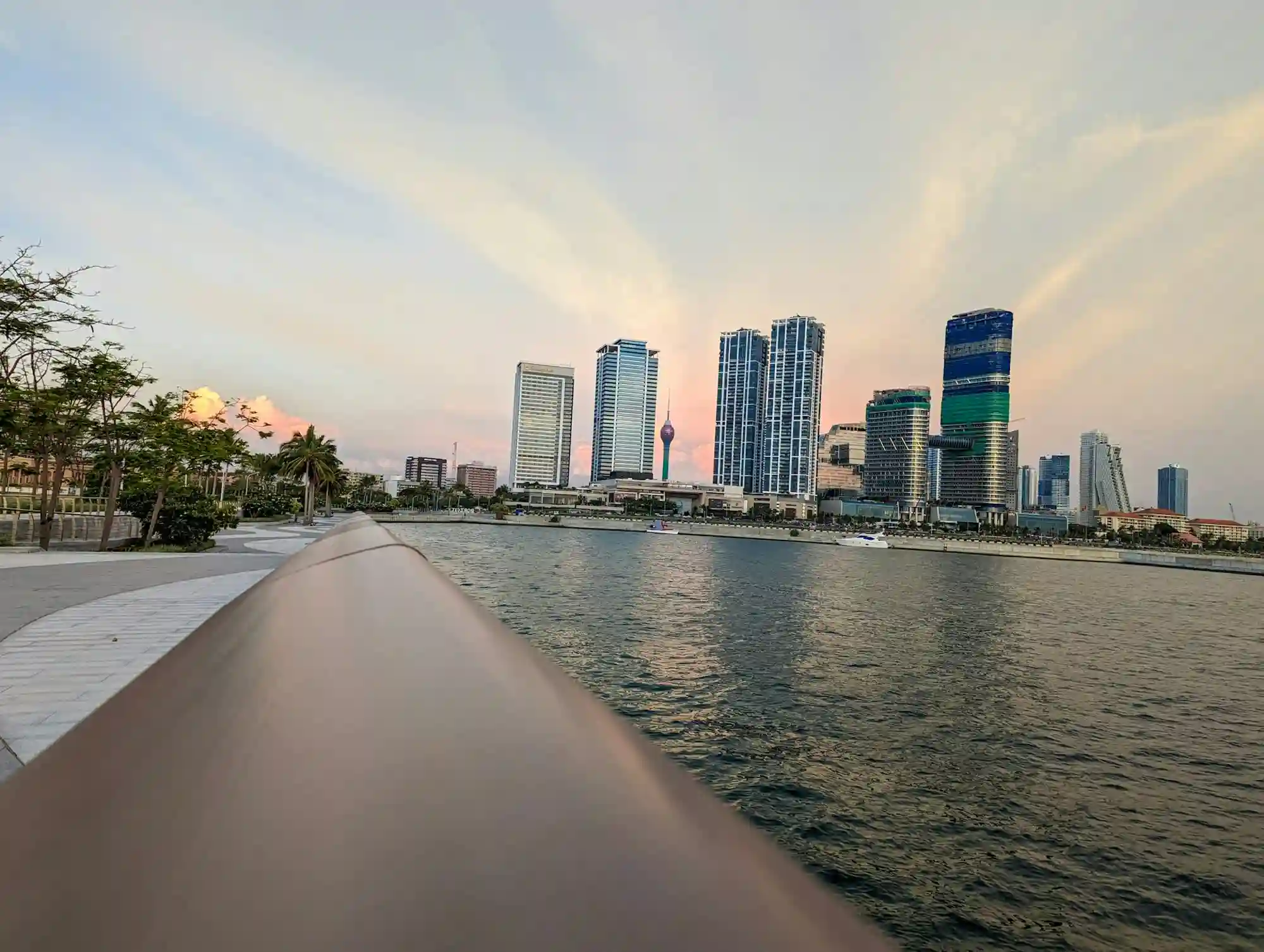
The most visible sign of Colombo's shift is Port City, a large stretch of reclaimed land immediately beside Galle Face Green and the old Fort district. It is best understood today as an evolving waterfront precinct rather than a finished attraction — much of it is still under construction — but the public-facing parts that are already open are genuinely worth a visit.
The Port City Promenade is the anchor: a long, open seafront walkway built for exactly the things a waterfront should be used for — an evening walk, a bicycle ride, watching the sun go down, or simply photographing a skyline that looks different every year. In January 2026, Port City opened The Food Harbour, an open-air dining precinct that joined the existing Beach Plaza area, kayaking on the water, and family-oriented spots such as Wonderland along the same stretch. Together they give the promenade a reason to linger past sunset rather than just pass through.
It is worth being clear about what Port City is not, at least not yet: it is not a finished entertainment district with hotels, casinos and marinas all operating at once. Large sections remain part of an active construction zone and a designated economic centre for future business and residential towers. Treat the Promenade, the Food Harbour and the beach and water-sport areas as what they are right now — a genuinely pleasant and improving public waterfront — and treat anything described as "coming soon" as exactly that.
International Concerts and Live Entertainment
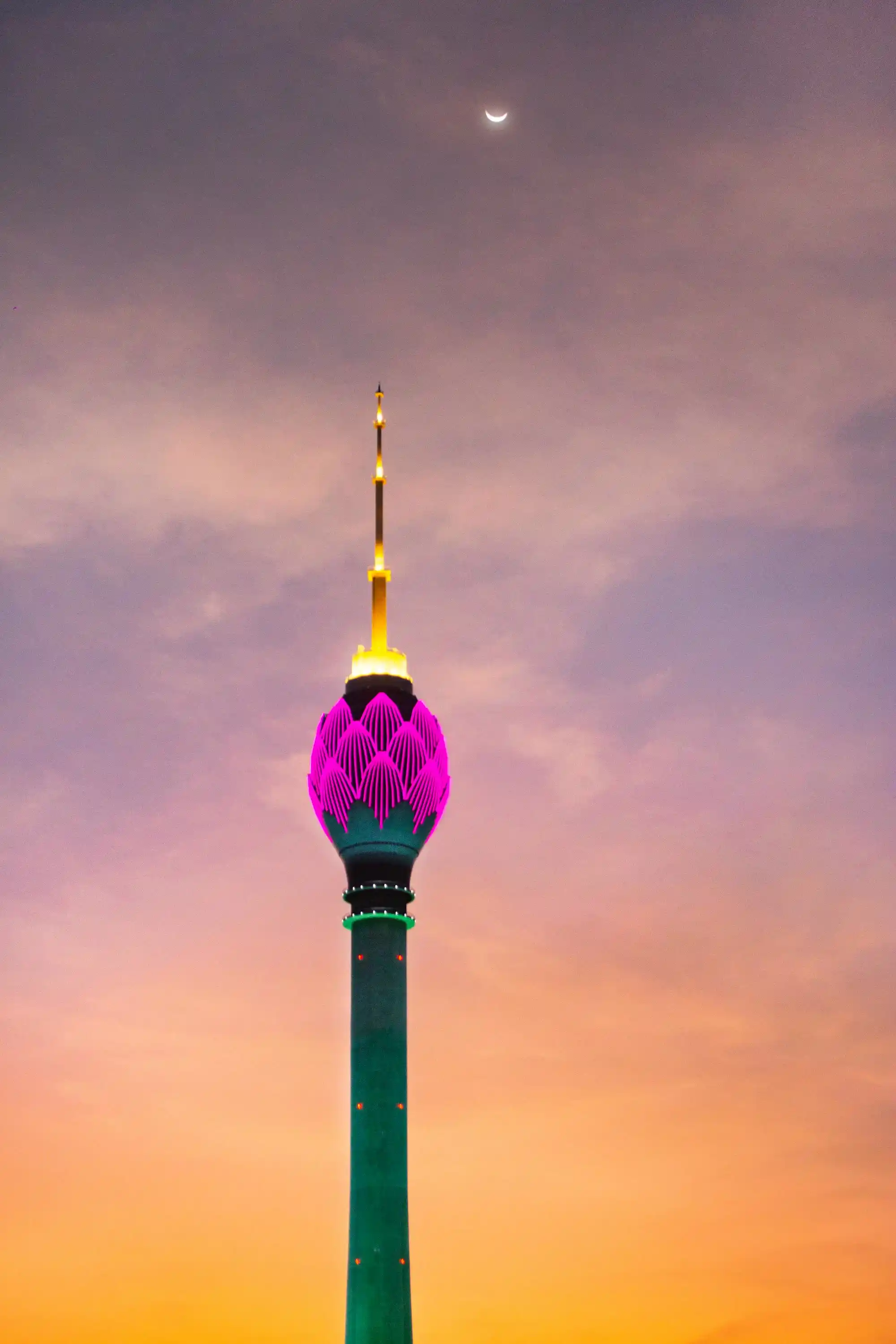
Colombo's calendar has started attracting names that would once have skipped Sri Lanka entirely. In December 2025, the Grammy-winning R&B artist Ne-Yo performed in the city, one of a growing run of international acts appearing at venues that range from hotel ballrooms and open grounds to the newer spaces around Port City and the Lotus Tower.
This matters for travel planning in a way that goes beyond the concert itself. A visitor who books a flight around one show increasingly stays on to see Sigiriya, safari in Yala, or the tea country around Nuwara Eliya — turning a single night out into a full Sri Lankan holiday. Event lineups change from year to year and are best checked closer to your travel dates through local ticketing platforms and the venues themselves, but the trend is consistent: Colombo is being taken seriously as a stop on regional touring circuits, not treated as too far off the map to bother with.
Galle Face Green and Colombo's Sunset
If Colombo has one unmissable evening ritual, it happens on this long strip of oceanfront lawn between the old Fort and the hotels further south. Galle Face Green fills up as the day cools — families out for the evening, couples walking the seawall, kites going up when the wind is right, and rows of food carts selling isso wade, achcharu and roasted corn to a crowd that is as much local as it is visiting.
The appeal at sunset is simple: an open, unbroken view west over the Indian Ocean, with the silhouettes of Port City's cranes and towers on one side and the colonial-era Galle Face Hotel and Old Parliament building on the other. It is one of the few places in Colombo where the city's two eras — the one built under Dutch and British rule and the one being built now — sit in the same frame.
Because Galle Face sits within walking distance of some of the city's best hotels, restaurants, Colombo Fort and Port City itself, it works naturally as a hinge point in an evening rather than a standalone stop — arrive for the sunset, then walk on to dinner.
Colonial Colombo — Where History Meets Modern Life
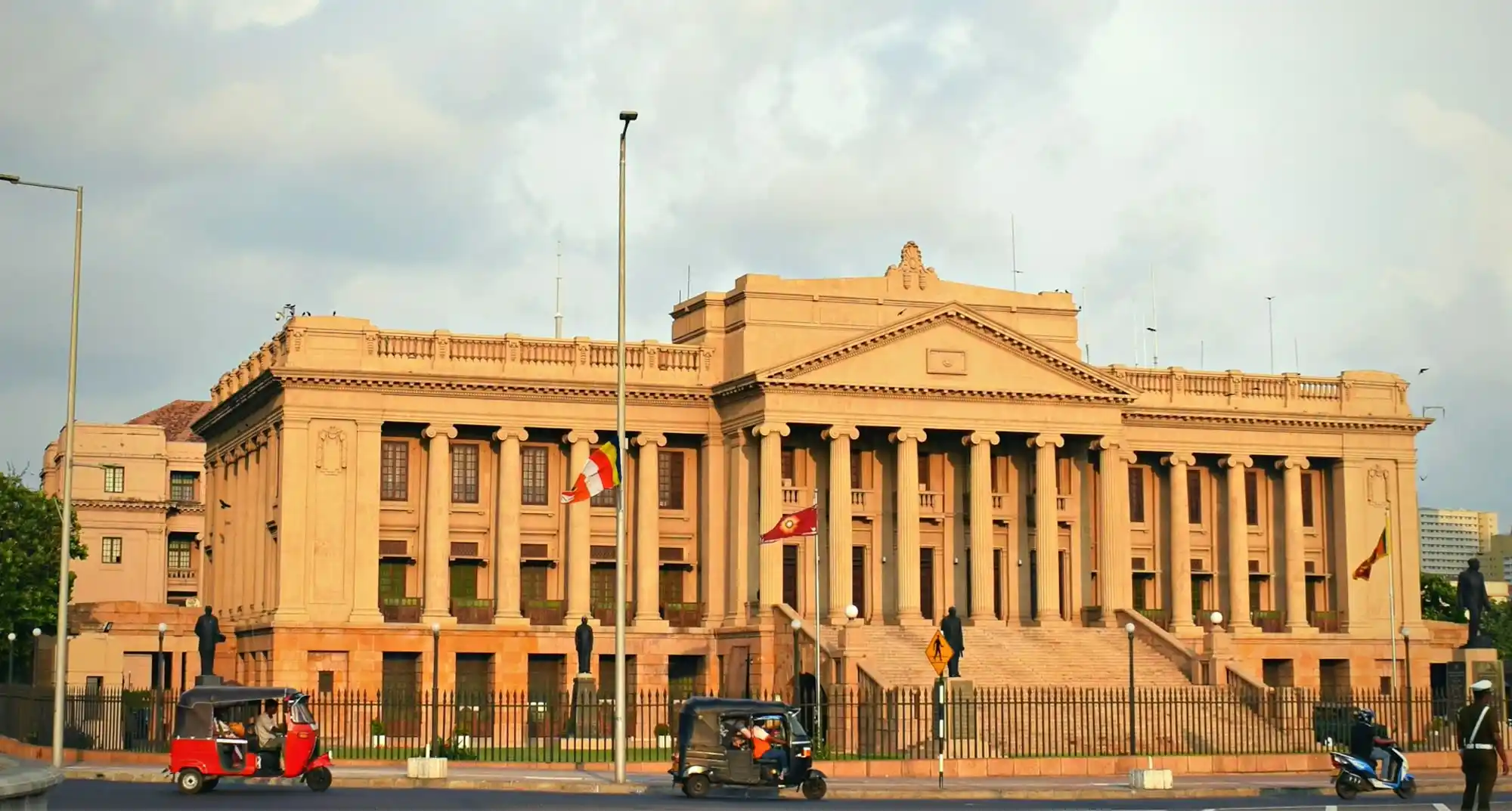
Colombo's Fort district carries the layered history of Portuguese, Dutch and British rule, and it rewards a slow morning walk more than most capital-city centres do. The Old Parliament Building, completed in 1930 and used as the country's seat of government until Parliament relocated to Sri Jayawardenepura Kotte in 1982, still stands on the oceanfront and now houses the Presidential Secretariat. A short walk away, the red-brick Cargills building and its neighbours are among the best-preserved examples of British commercial architecture left in the city, standing directly alongside contemporary towers.
Nearby, the Dutch Hospital — Colombo's oldest surviving colonial building, dating to the Dutch period — has been converted into one of the city's most popular dining and shopping precincts, which is itself a useful summary of how Colombo treats its history: preserved, but kept in active use rather than sealed behind glass. A few streets further on, Pettah remains the city's working trading quarter, its narrow lanes still organised much as they were under Dutch and British administration, packed with spice traders, textile shops and wholesale markets.
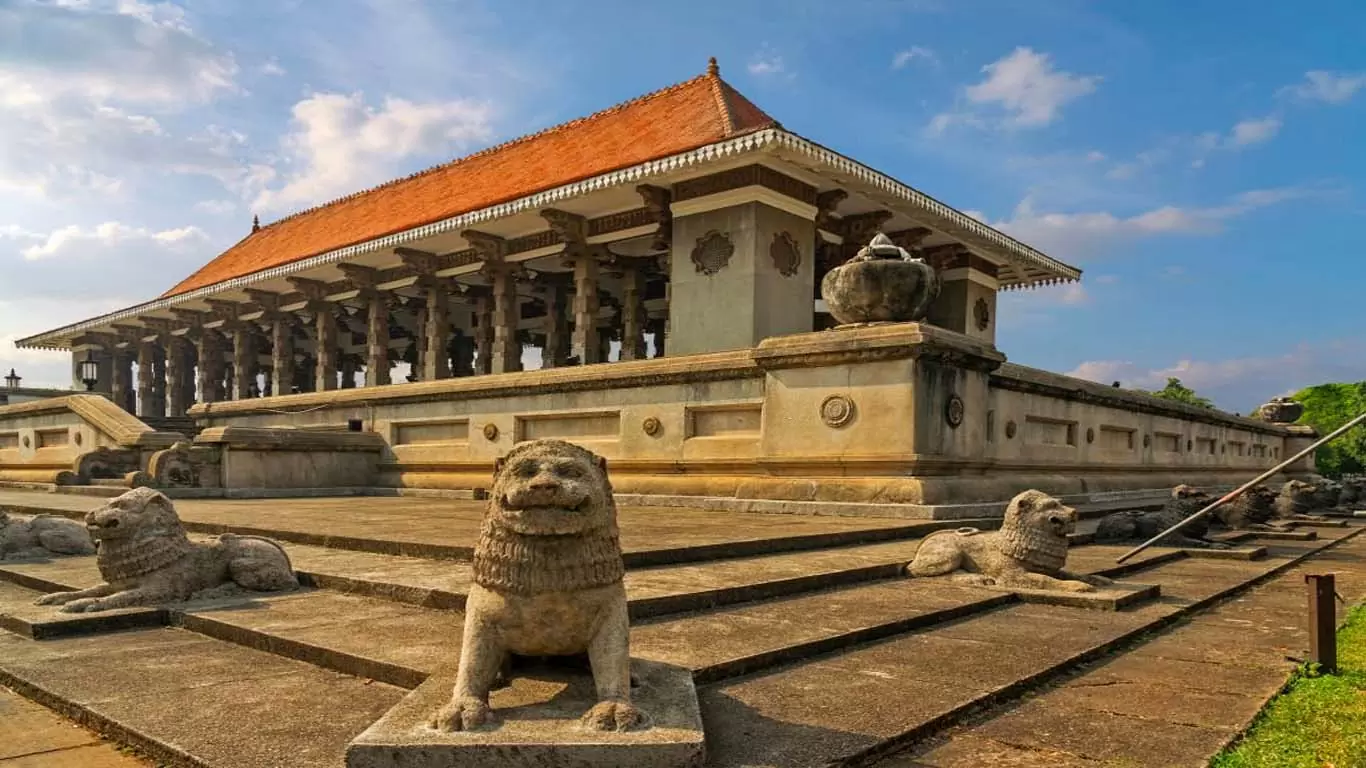
Further south in Cinnamon Gardens, the Independence Memorial Hall and the surrounding square commemorate Sri Lanka's transition out of colonial rule, its stone lions and carved columns deliberately echoing the royal audience hall in Kandy. The Colombo National Museum, founded in 1877, sits a short distance away and holds the Kandyan royal regalia among its collections. What makes Colombo distinctive is how close all of this sits to the rest of the city's modern life: you can walk this heritage circuit in a morning and be at a rooftop bar or a shopping mall by evening, without changing neighbourhoods.
Culture and Heritage Within the City
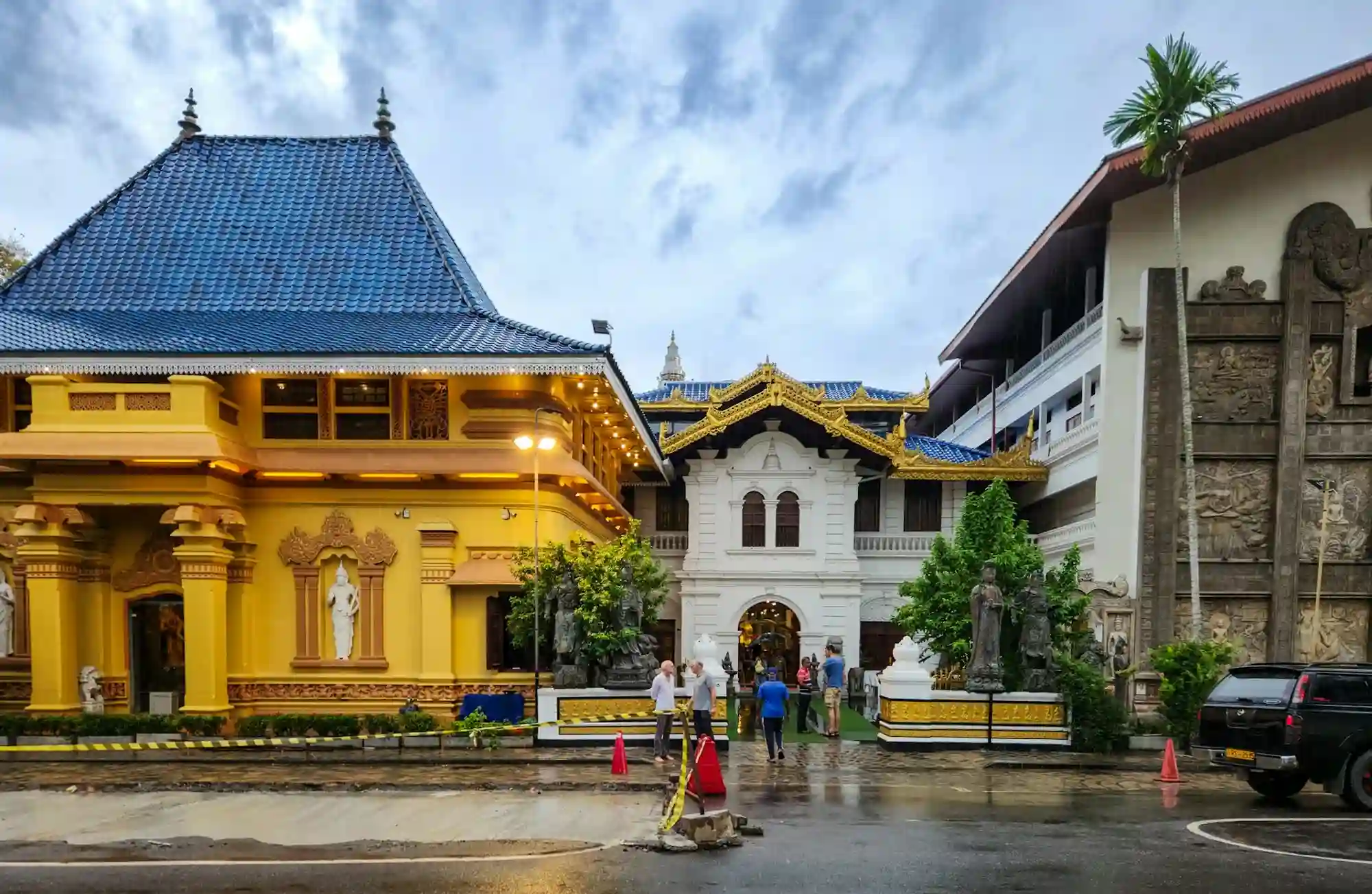
Colombo's multicultural character shows up most clearly in its places of worship, several of which sit within a short walk or drive of each other. Gangaramaya Temple, founded in the late nineteenth century, is one of the city's most visited Buddhist temples and doubles as a small museum of Buddhist art and artefacts. Beside it on Beira Lake, the Seema Malakaya meditation pavilion — designed by Sri Lankan architect Geoffrey Bawa — offers a quiet, contemplative counterpoint to the temple's busier grounds.
Colombo's Faiths, Within Walking Distance of Each Other
Beyond the landmarks, Colombo's everyday street food and market culture is itself a cultural experience — hoppers, kottu roti and short eats from Pettah's stalls sit alongside contemporary Sri Lankan restaurants reinterpreting the same dishes. Few cities let a visitor sample this much of a country's religious and culinary diversity without leaving the city limits.
Luxury Hotels and Urban Hospitality
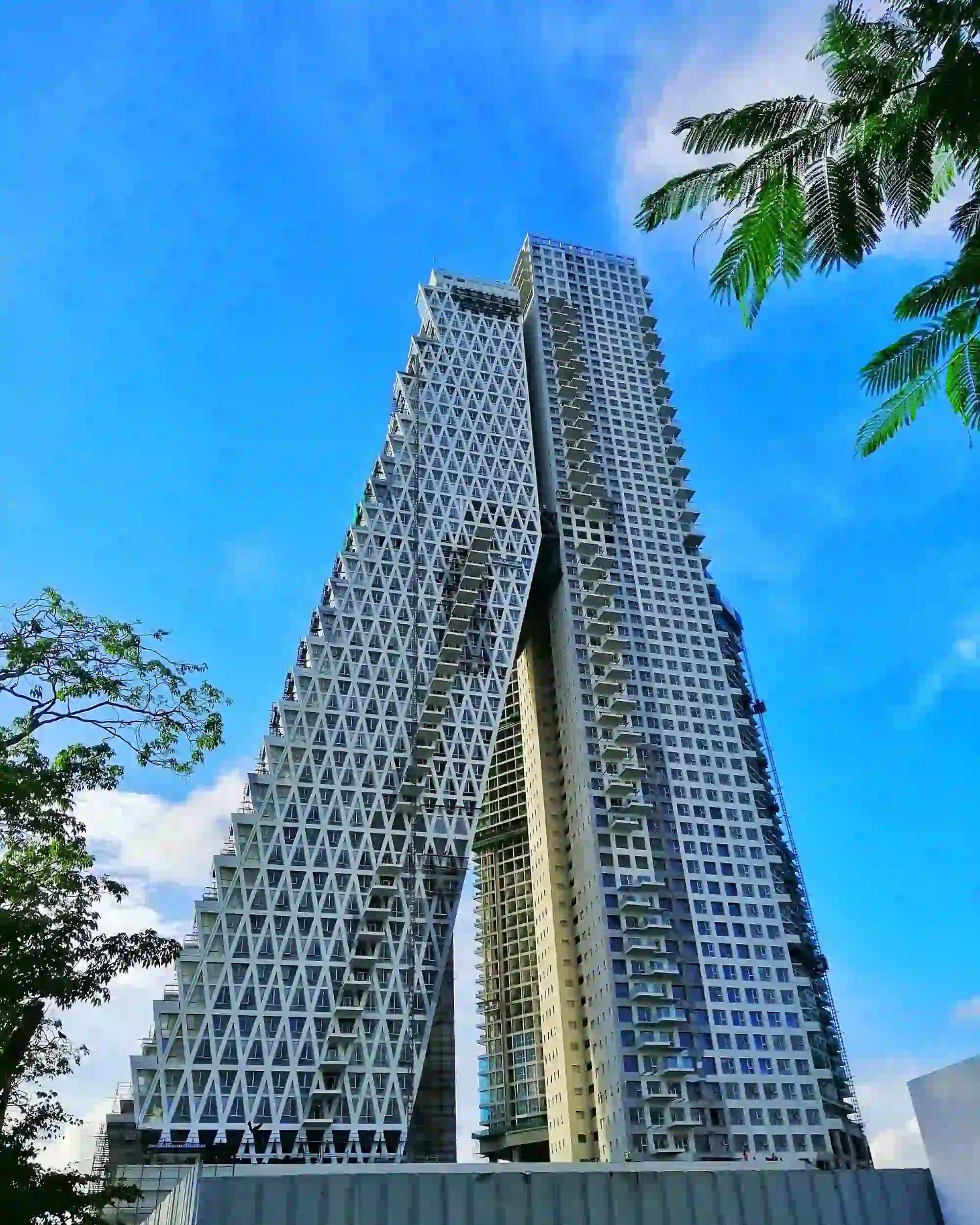
None of this works without somewhere good to stay, and Colombo's hotel scene has grown to match its ambitions. International five-star groups sit alongside independent boutique properties, waterfront towers with infinity pools looking over the ocean, and smaller heritage hotels built into restored colonial buildings. Rooftop bars and restaurants with skyline or ocean views have become a category of their own, and several hotels now run spas, afternoon tea services and fine-dining rooms strong enough to be destinations in their own right rather than amenities.
The point is not which hotel to choose — that depends entirely on budget and taste — but what the range of options makes possible. A traveller arriving jet-lagged after a long-haul flight, a family that wants a pool and a play area, and a couple looking for a quiet boutique stay can all be accommodated within a few kilometres of each other. That flexibility is a large part of why Colombo now works comfortably as either the first or last stop on a longer Sri Lankan itinerary.
Cafés, Restaurants and Colombo Nightlife
Colombo's specialty coffee scene has expanded quickly over the past several years, with independent roasters and café chains now scattered through Colombo 3, 4, 5 and 7 — good for a slow breakfast, a work session, or simply a break between sightseeing stops. Come evening, the city shifts registers again: rooftop restaurants serving contemporary Sri Lankan and international cuisine, harbour-view dining rooms, and a steady run of hotel bars and lounges that anchor most nights out.
Colombo's nightlife is best understood as one part of a broader evening out rather than the whole plan — dinner, live music at a hotel lounge or a dedicated venue, then a nightcap, all within a short taxi ride. It is not a city built around all-night clubbing, and treating it that way sets the wrong expectation; treating it as a good place to eat well and hear live music after dark is closer to the reality, and a genuinely appealing one.
Beaches and Sunset Cruises
Colombo sits directly on the Indian Ocean, and while its own beaches are used more for a walk or a sunset than for swimming, the coastline is put to good use in other ways. Beachside restaurants along Galle Face and the Port City waterfront serve dinner with an ocean view, and the stretch of sand and promenade at Port City's Beach Plaza has become a popular spot for an evening out.
For something more active, sailing operators now run sunset catamaran cruises departing from the Port City marina area near Galle Face, typically a few hours out on the water timed to catch the sun going down over the city skyline. It is a genuinely different way to see Colombo — from the water looking back at Port City, the Fort skyline and Galle Face Green — and works well as a premium experience for couples, families or small groups. Availability, routes and pricing vary by operator and season, so it is worth checking current schedules and booking a few days ahead, particularly around weekends.
For a proper swimming beach without leaving the greater Colombo area, Mount Lavinia, a short drive south of the city centre, remains the standby — a long-established beach town with a historic hotel, seafood restaurants and a more relaxed pace than the city itself.
Pearl Bay and Family Entertainment
Families travelling with children, or anyone wanting a break from temples and museums, have a strong option a short drive south of Colombo in Bandaragama, Kalutara District: Pearl Bay, one of Sri Lanka's first international-standard leisure parks. It is built around four zones — SplashBay, a European-standard water park with sixteen slides and two large pools; SpeedBay, an FIA-CIK certified 1.2-kilometre karting track; TargetBay, a five-lane air rifle shooting range; and YumBay, its on-site café and restaurant.
Pearl Bay typically opens daily from 11:00 to 18:00, with lockers, showers and changing facilities on site, though hours and ticketing are worth confirming directly before a visit. At under an hour's drive from central Colombo, it slots naturally into a day that also touches the coast — pairing well with a stop in Kalutara or Bentota on the way back into the city.
Popular Day Tours from Colombo
Colombo's other advantage is geography: it sits within comfortable day-trip range of several of Sri Lanka's best-known coastal and cultural destinations, which makes it a strong base even for travellers who are short on time.
Colombo City and Heritage Tour
Fort, Pettah, the Dutch Hospital, Galle Face, Independence Square, Gangaramaya Temple and the National Museum, all covered in a single well-paced day. See our Colombo City Tour.
Colombo and Negombo
A short run north to the coastal fishing town near the airport — beaches, a Dutch canal and a laid-back contrast to the capital, ideal on an arrival or departure day.
Colombo and Bentota
Golden beaches and a boat safari along the Madu River's mangrove channels. Best treated as a full day given the distance — see our Bentota destination guide.
Colombo and Galle
Galle's Dutch fort and ramparts are a longer day trip from Colombo, or work better folded into a wider southern coast itinerary. Details in our Galle and Southern Coast Tour.
Colombo and Kalutara
A shorter coastal run to the Kalutara Bodhiya's distinctive hollow stupa and the beach town beyond, easily paired with a visit to Pearl Bay.
Colombo and Pinnawala
The elephant orphanage near Kegalle is a popular day trip; choose a visit that prioritises the animals' welfare over spectacle. See our Pinnawala guide.
Colombo and Kandy
Kandy is generally better experienced over one or two nights than as a rushed day trip, but it can work depending on your schedule. Explore our Kandy destination guide or the dedicated Kandy Day Tour.
Colombo Shopping and Lifestyle Tour
Pettah's markets, the Dutch Hospital precinct, One Galle Face Mall and Arcade Independence cover everything from handicrafts and spices to contemporary fashion in one compact circuit.
Colombo as the Starting Point of a Sri Lankan Round Trip
Most international flights land at Bandaranaike International Airport late at night or in the early hours, which makes an immediate multi-hour drive into the hill country or the Cultural Triangle a demanding way to begin a holiday. Basing the first night or two in Colombo instead gives travellers time to recover before the harder travel days begin.
A Gentle Start
This is not wasted time. It sets the tone for the trip, and it means the first long road journey — to Sigiriya, Kandy or the hill country — begins with a rested traveller rather than one still running on airline food and cabin air.
Colombo as the Perfect Ending to a Sri Lankan Tour
Colombo may work even better at the other end of the trip. A classic route through Sigiriya, Kandy, Ella, Yala and Galle covers a great deal of ground and asks a lot of a traveller by the final days. Returning to Colombo for the last one or two nights gives the trip a soft landing: a spa treatment, a shopping afternoon at the Dutch Hospital or Arcade Independence, a sunset at Galle Face, a good dinner, and — if the calendar allows — a live show or a night out, all before the flight home.
This is one of the more useful ways to think about where Colombo fits: not as dead time before departure, but as a deliberate, comfortable wind-down after days of early starts, long drives and packed itineraries elsewhere in the country.
One City, Many Experiences
What makes Colombo unusual is how much fits into a single, compact urban area without long transfers between experiences.
Why Add Colombo to Your Sri Lankan Holiday?
- Easy access from Bandaranaike International Airport, with no long transfer required on arrival
- A wide range of hotels, from international luxury brands to boutique colonial-era properties
- Colonial heritage and multicultural temples, mosques and churches within a compact area
- An evolving waterfront at Port City, alongside the enduring appeal of Galle Face Green
- A growing calendar of international concerts and live entertainment
- Sunset cruises, beachside dining and a proper water park within reach at Pearl Bay
- Strong shopping, from Pettah's markets to contemporary malls and boutiques
- Easy day trips to Negombo, Bentota, Galle, Kalutara, Pinnawala and Kandy
- A natural, comfortable starting point or finishing point for a full Sri Lankan round trip
Sample Itineraries
2 Nights, Colombo — Entertainment and Leisure Escape
Colombo at the End of a Sri Lankan Round Trip
Arrive back in Colombo from the southern coast, the hill country or the Cultural Triangle. Check into your hotel, spend the afternoon at a spa or simply resting, then head out for late-afternoon shopping. Walk Galle Face Green for sunset, have a final dinner with the group, and enjoy a last evening out before the airport transfer the next morning.
Conclusion
Colombo is not trying to compete with Sigiriya's ancient rock fortress or a leopard sighting at Yala, and it does not need to. What it offers is different: heritage and modern life within walking distance of each other, a waterfront that is genuinely changing year on year, and an evening scene — dining, live music, the occasional international concert — that gives a Sri Lankan holiday a second gear.
Give it two nights, at the start of the trip or the end of it, and Colombo tends to become the part of the holiday travellers did not expect to enjoy quite this much.
At Lanka Travel Gateway, we build Colombo into tailor-made Sri Lankan holidays as either the opening chapter or the closing one — city stays, heritage and shopping tours, airport-to-hotel arrangements, and private day trips to the coast, all designed around the rest of your itinerary rather than as an afterthought. If you are planning a Sri Lankan round trip, talk to us about where Colombo fits best in yours.
Event calendars, opening hours and operator schedules mentioned in this article — including concerts, sunset cruises and Pearl Bay's facilities — change periodically. Confirm current details before booking or travelling.
Photo Gallery
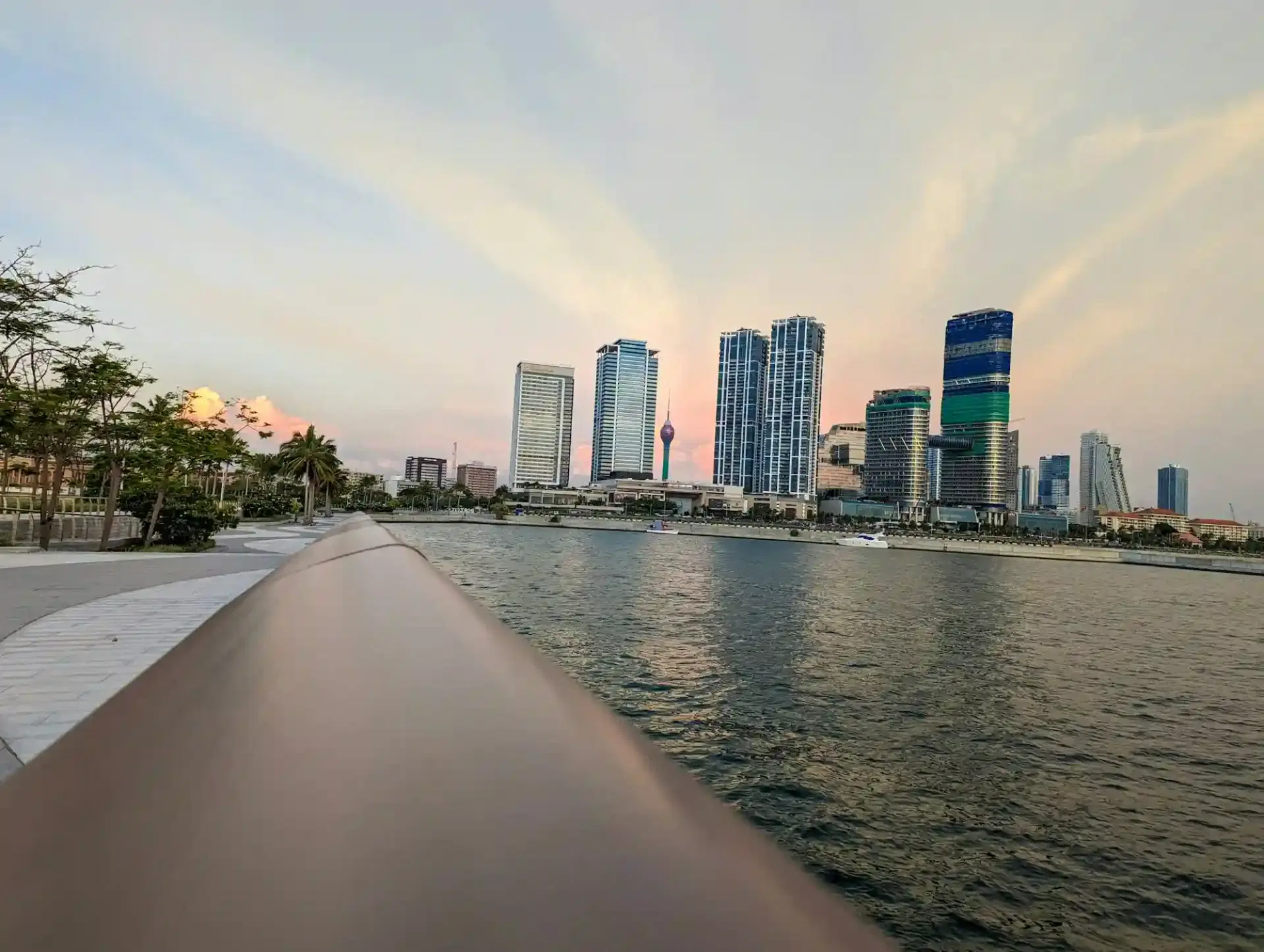
Port City Waterfront at Sunset
The reclaimed waterfront beside Galle Face and Colombo Fort, now home to the Port City Promenade and its dining and leisure spaces.
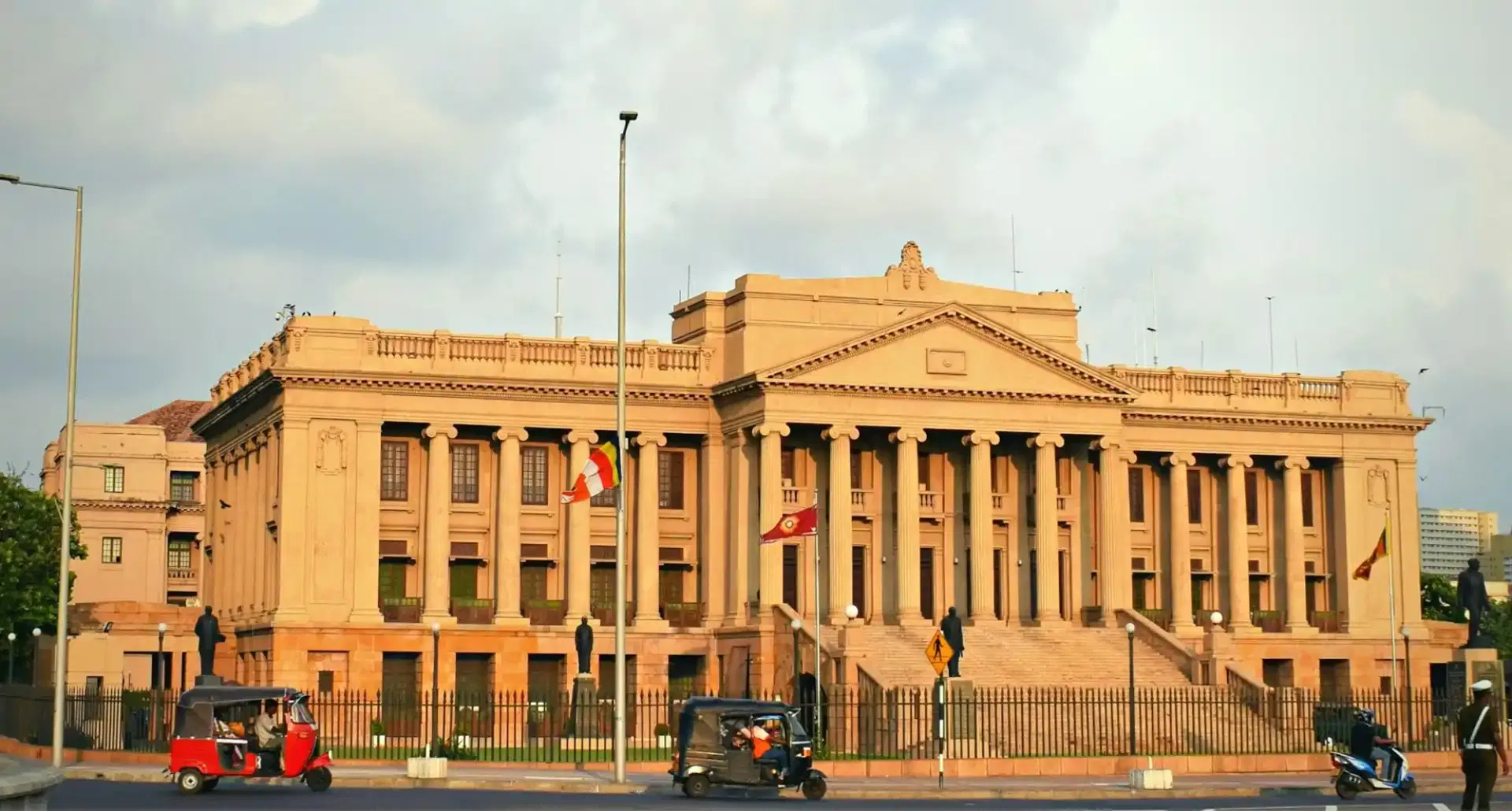
Old Parliament Building
Completed in 1930 and now the Presidential Secretariat, standing on the Fort oceanfront.
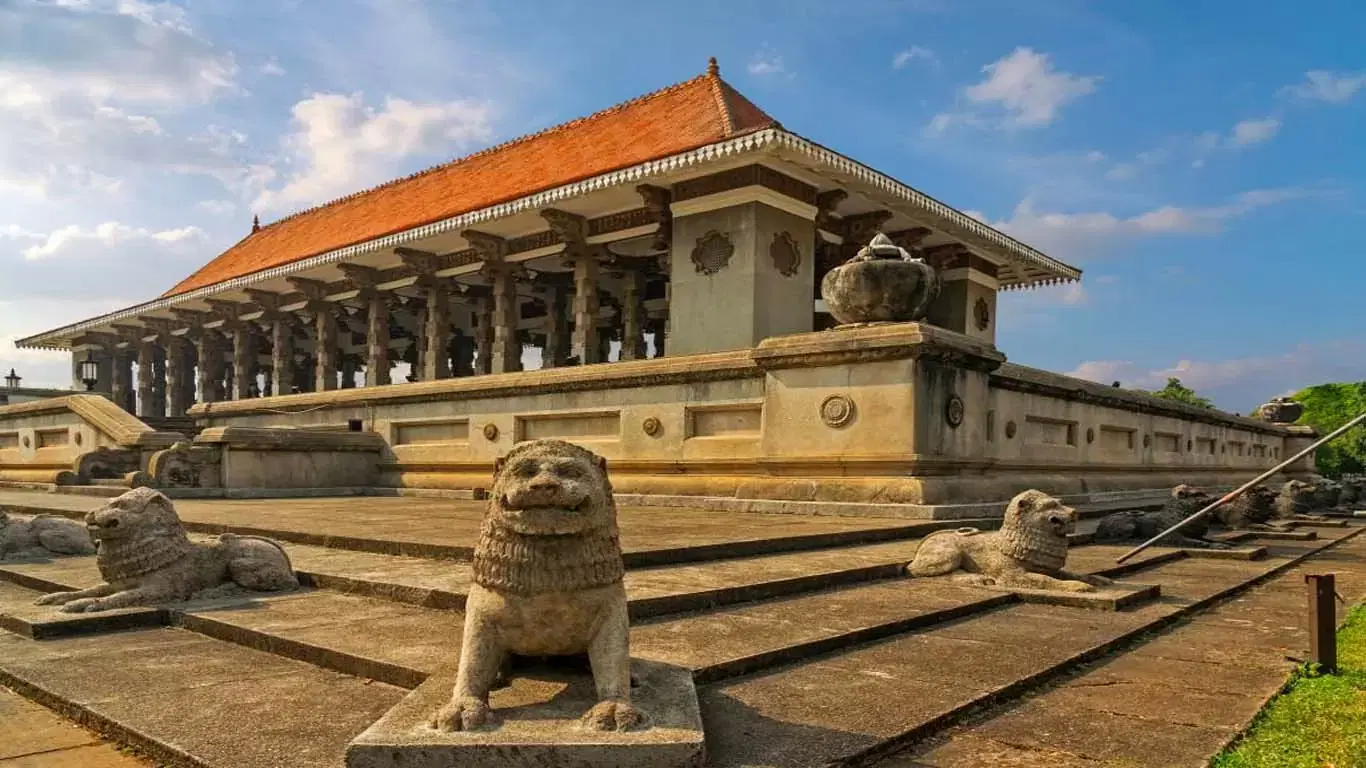
Independence Memorial Hall
Built in 1953 in Cinnamon Gardens, its design modelled on the royal audience hall at Kandy.
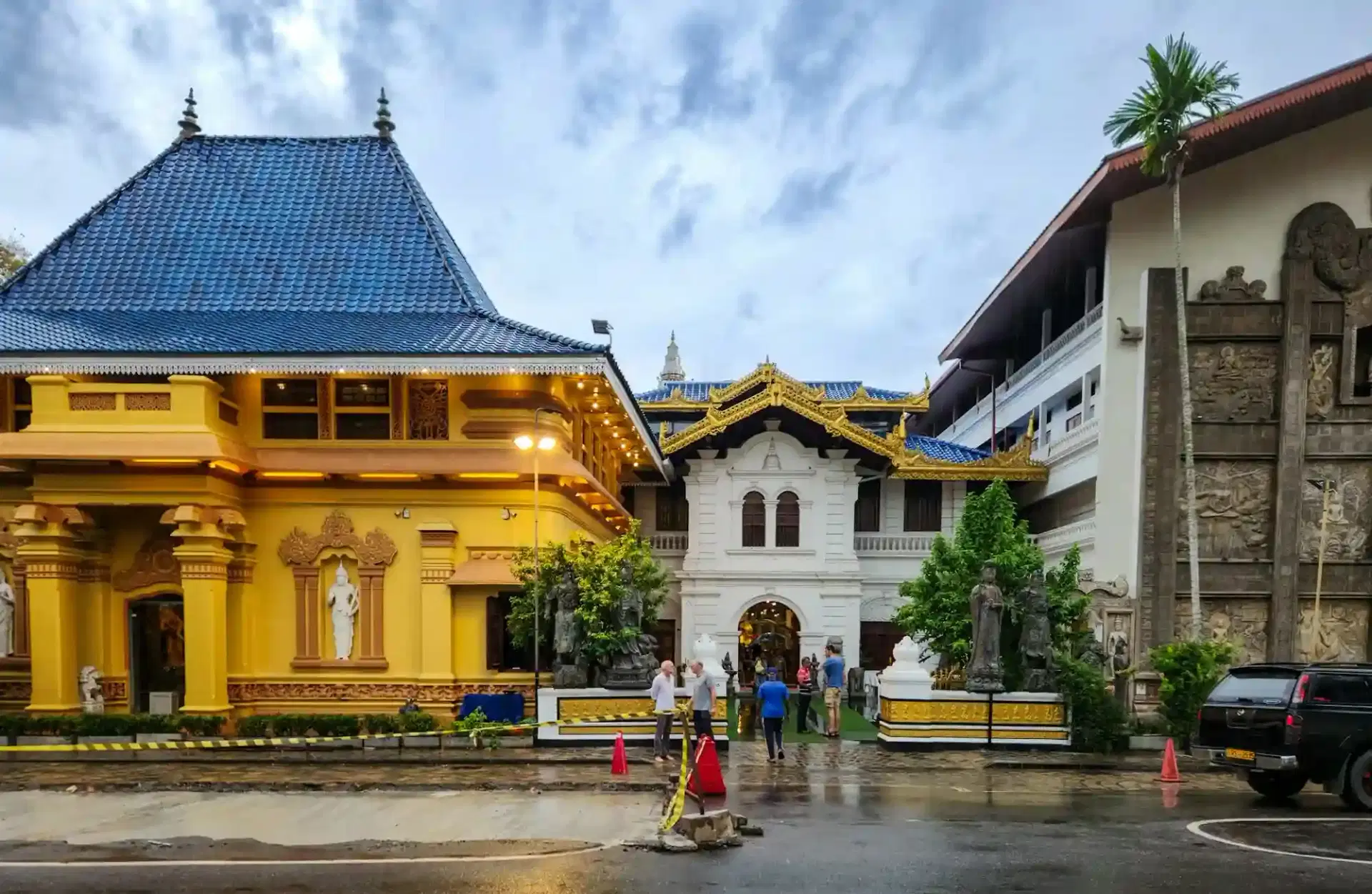
Gangaramaya Temple
One of Colombo's most important Buddhist temples, blending Sri Lankan, Thai, Indian and Chinese influences.
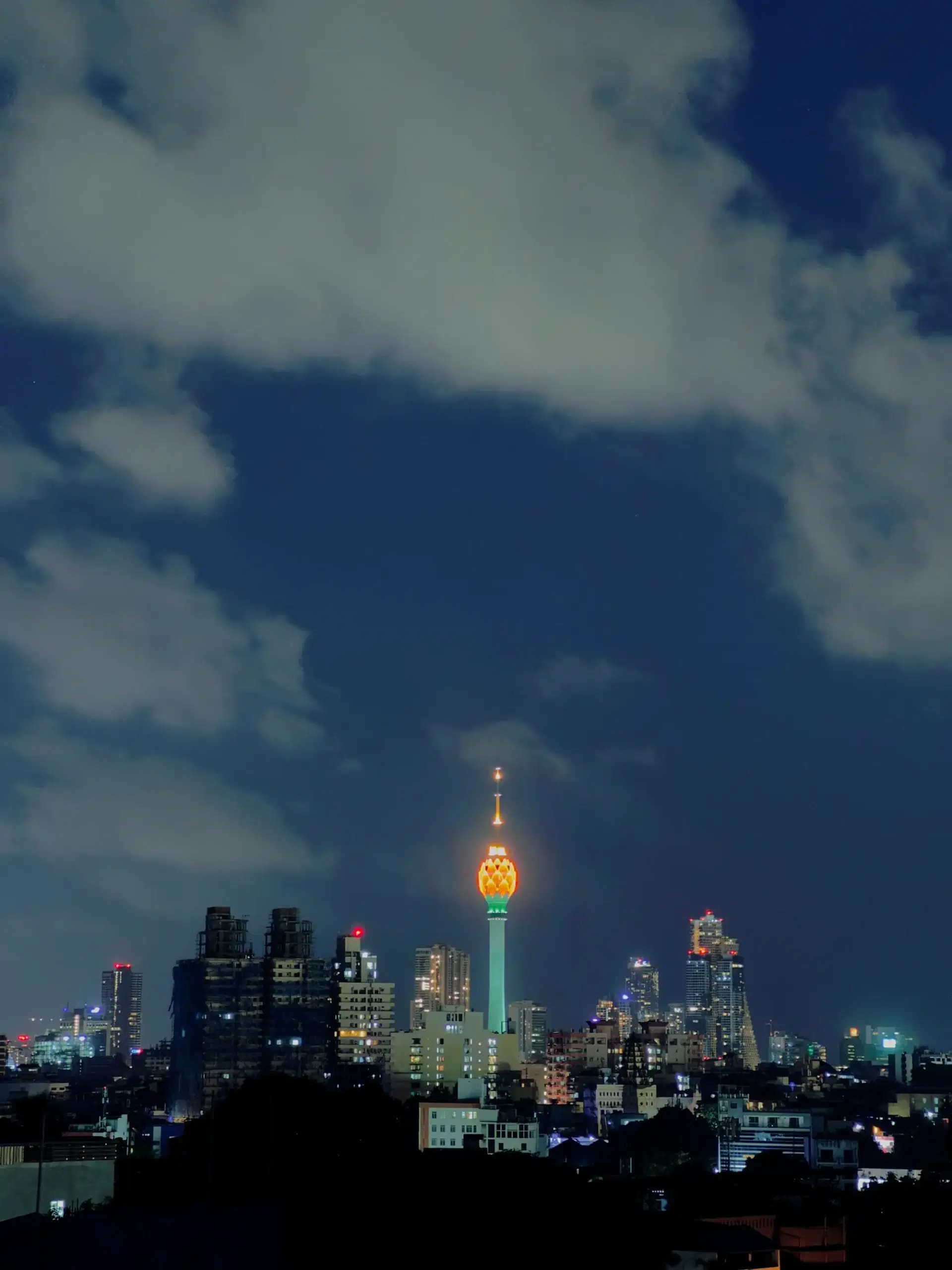
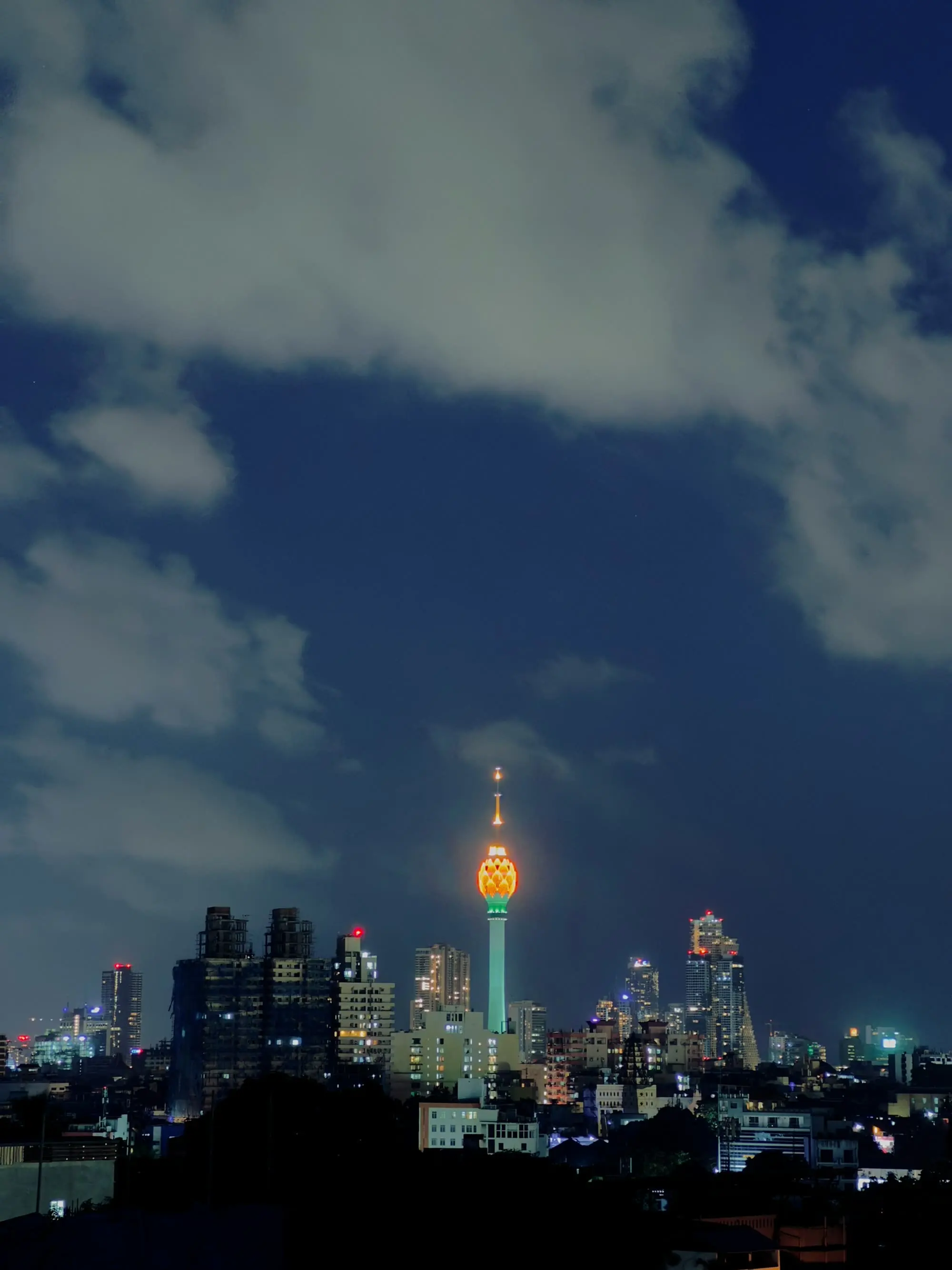
Lotus Tower at Night
South Asia's tallest structure lighting up Colombo's evening skyline.
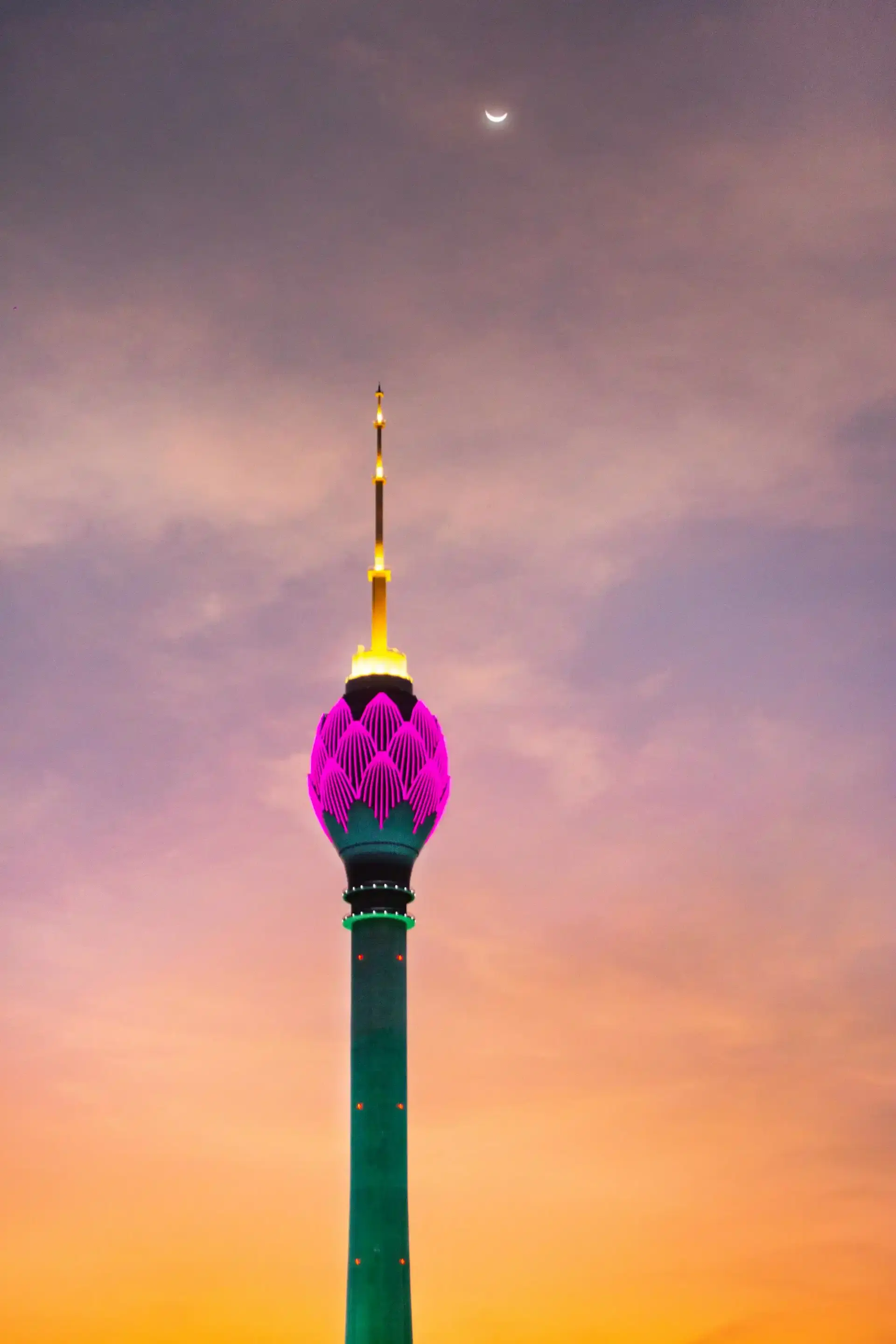
Sunset Over the City
A Colombo evening — the natural close to a day of sightseeing, or to a full Sri Lankan round trip.