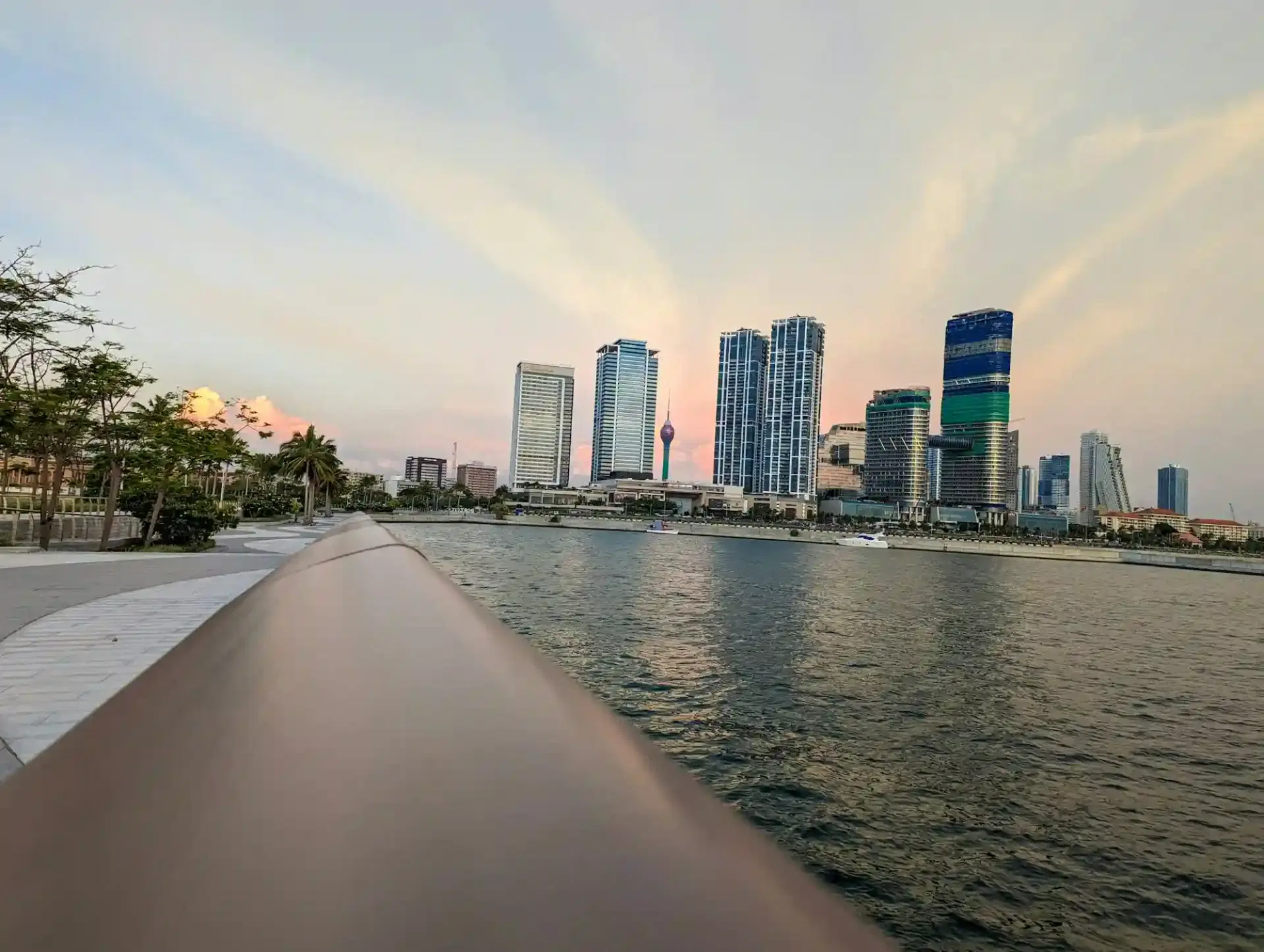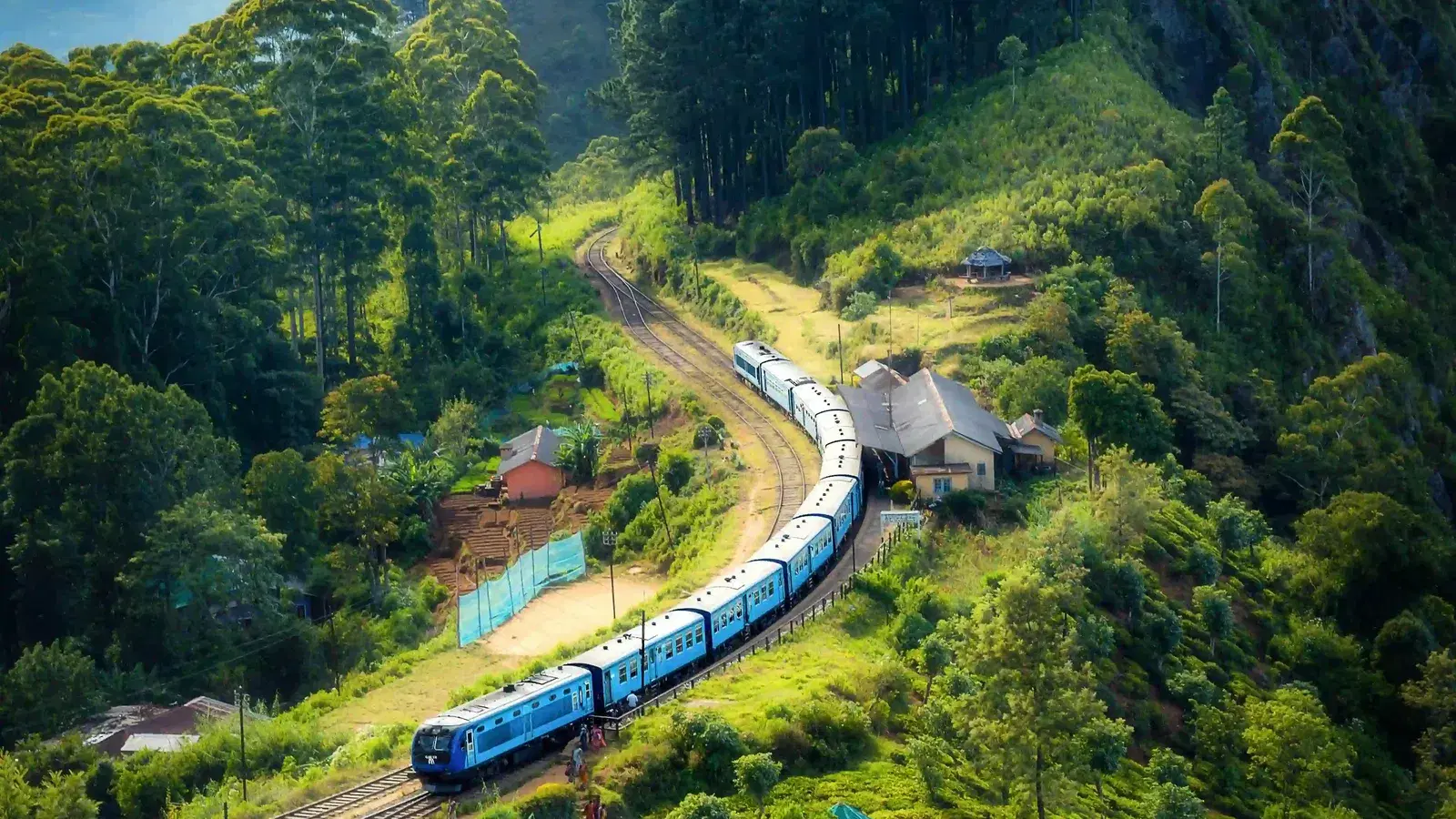


Look at almost any two-week Sri Lanka itinerary and you will find the same sequence. Hill country, then Ella. Ella, then a safari at Yala or Udawalawe. Then a long drive to Mirissa or Tangalle for the beach. The middle of that sequence is treated as transit — a stretch of road to be got through.
The numbers explain why. Ella to Mirissa is about 180 km and roughly three to three and a half hours if you drive it straight, or closer to six with a safari stop. That reads as a travel day, so it gets planned as one.
The problem is not that the drive is long. It is that it is under-programmed. The Hambantota district you pass through is the driest, most geologically peculiar corner of the island, and in the last fifteen years it has acquired a 300-acre botanic garden, the country's only drive-through safari park, and a bird research centre — none of which existed when the classic southern circuit was designed. The circuit never updated. Most travellers still drive past all of it.
Ella to the coast is not a transit day with one safari in it. It is the part of the south that nobody schedules — which is exactly why it is still quiet.
What the Road Actually Does
From Ella the road drops through Ella Gap to Wellawaya, and in that descent you leave the hill country completely. Within an hour the tea gives out, the air warms, and you are in dry-zone scrub. From Wellawaya the common routes fork: west through Thanamalwila to Udawalawe, or south-east to Tissamaharama for Yala. Either way you rejoin the A2 coast road and run west through Hambantota, Ambalantota, Tangalle and Dickwella to Mirissa.
Everything in this article sits on or just off that A2 corridor. None of it requires a detour of more than about twenty minutes.
The Dry Zone: Why This Stretch Looks Nothing Like the Rest
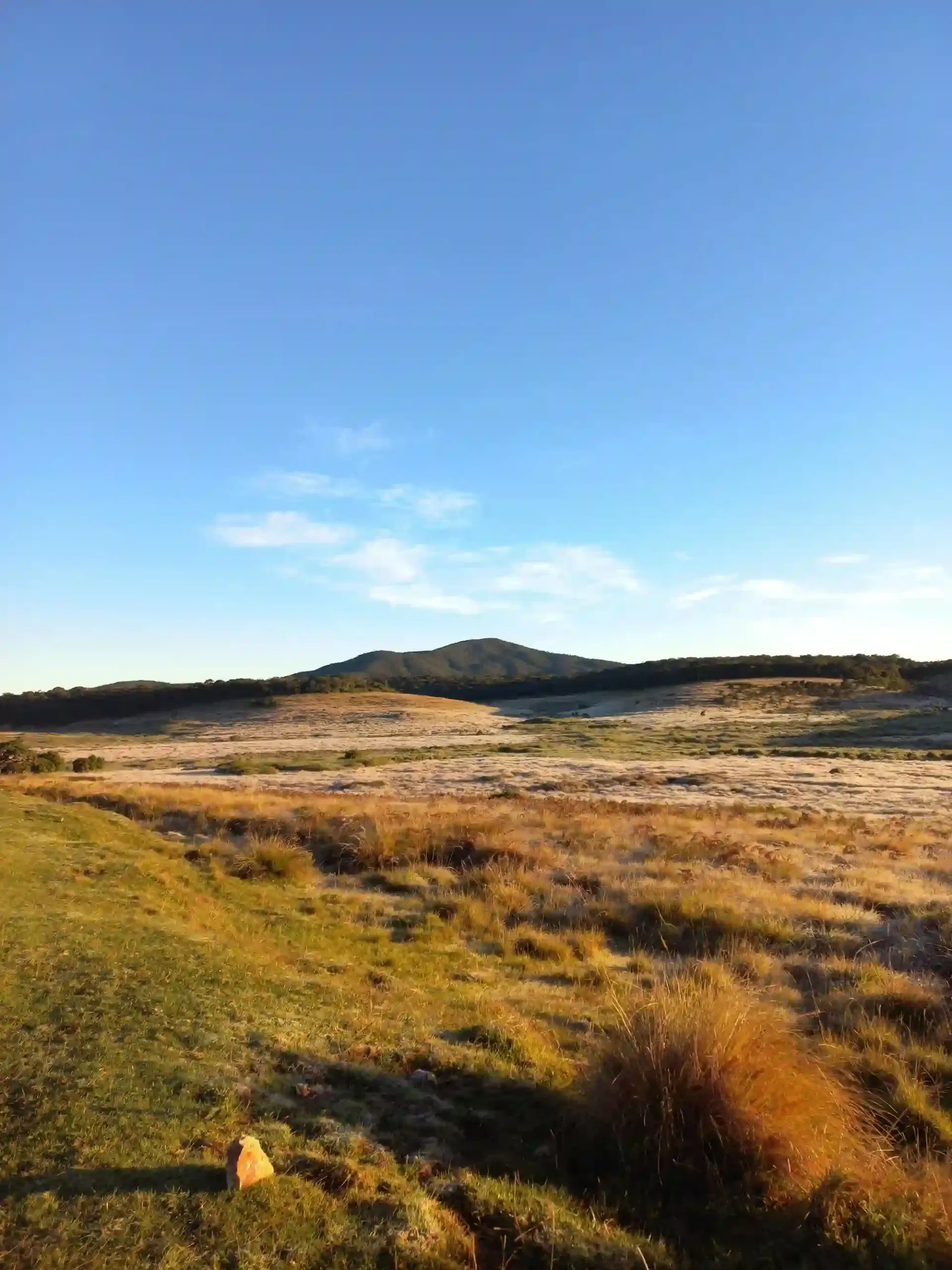
Sri Lanka is small enough that visitors expect it to be climatically uniform, and it is not. The island splits into a wet zone in the south-west and hills, and a dry zone covering most of the north, east and south-east. Hambantota sits in the driest part of that dry zone: along with the north-west coast, the south-east is the lowest-rainfall region in the country.
The figures make the contrast plain. Hambantota receives on the order of 1,000 to 1,200 mm of rain a year, against three or four times that in the wet-zone hills you have just come down from. The rain is concentrated: monthly totals exceed 100 mm only from roughly October to December, peaking in November, with a weaker second showing around April and May. July is the driest month, at something like 39 mm across six rainy days. Temperatures barely move — daytime highs sit around 30–31°C all year, and it is warm at night.
What that produces is a landscape most visitors do not associate with Sri Lanka at all: thorny scrub, palmyra and cactus, salt pans, tank-fed reservoirs, and grassland that turns straw-coloured for months at a time. It is also why the wildlife concentrates here. In the dry months animals gather at the remaining water, which is precisely what makes Yala, Udawalawe and Bundala productive between roughly May and September.
Practically: bring more water than you think, plan the outdoor sites for early morning or late afternoon, and do not judge the region by a midday stop. Two hours either side of noon in April is genuinely punishing, and it is when most people pass through.
Dry Zone Botanic Gardens, Mirijjawila
This is the one almost nobody has heard of, and it is the best argument for stopping.
The Dry Zone Botanic Gardens at Mirijjawila, just off the A2 near Hambantota, cover 300 acres — the largest botanic gardens in Sri Lanka by extent. Construction began on 20 July 2006 and the gardens opened to the public on 14 November 2013, timed to coincide with the Commonwealth Heads of Government Meeting held in Sri Lanka that month. They are run by the Department of National Botanic Gardens, and they matter for reasons beyond size: they are the first botanic gardens in Sri Lanka designed by local experts, the first created since Henarathgoda some 130 years earlier, and the first established specifically to conserve dry-zone plants outside their natural habitat.
The department records a mean annual rainfall of under 500 mm on the site itself — less than half what the coastal town a few kilometres away receives, and a good illustration of how sharply conditions vary across this district. Everything planted here has to survive that.
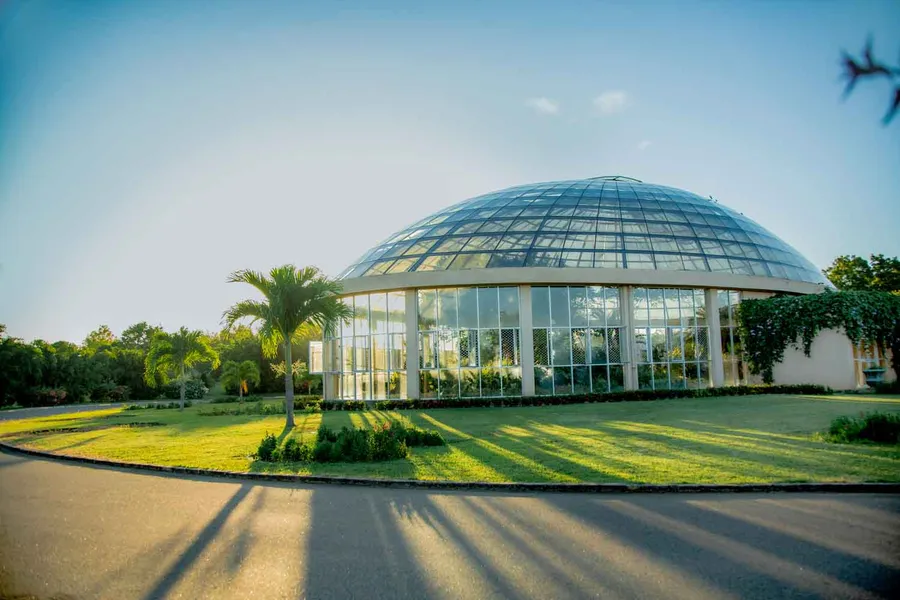
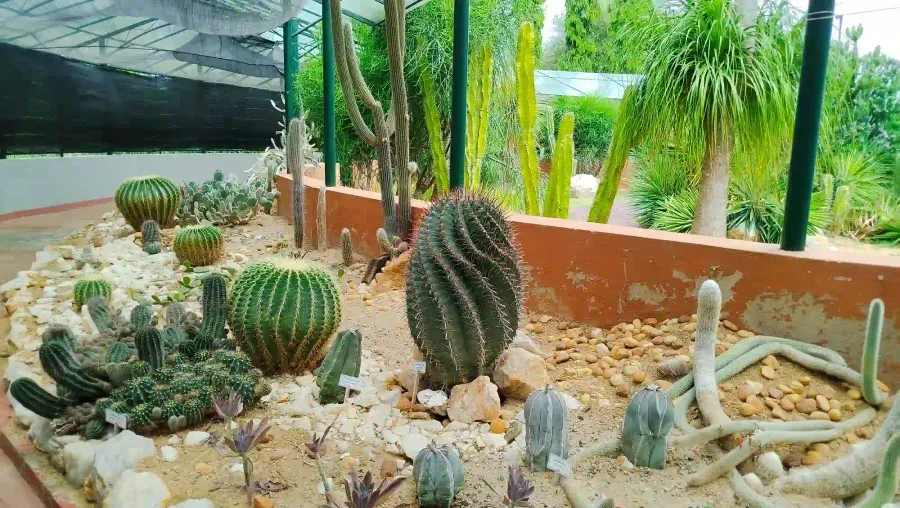
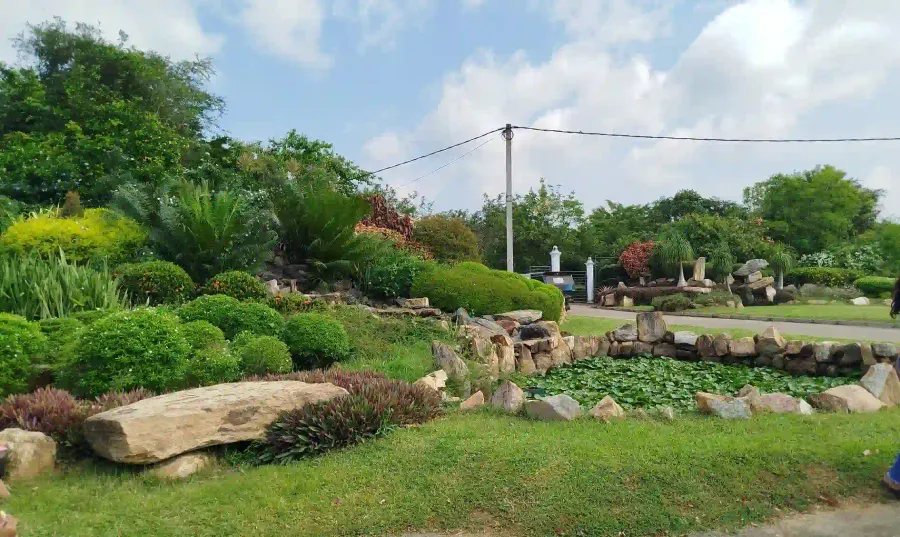
The scale of the collection is easy to underestimate from the entrance. The gardens hold over 8,000 trees, more than 6,500 of them in arboreta representing over 200 species, laid out across sixteen mixed arboreta sections and two systematic ones. There is a medicinal plant garden of more than 500 plants across upwards of 200 species, a herbal garden, a cactus house, a butterfly garden, and the glass-domed plant conservatory that serves as the signature structure. Twenty-six planted avenues run through the site — the department notes this is the only garden in Sri Lanka laid out that way. Around 24 hectares have been left as natural shrubland.
Beds are labelled, which makes this one of the few places on the island where you can finally put names to the scrub you have been driving through for two hours.
Open every day of the year, 7:30am to 6:00pm, with ticketing closing at 5:00pm. Allow an hour and a half. Go early — there is little shade in the open sections and the light before about nine is far better.
Ridiyagama Safari Park
Ridiyagama is Sri Lanka's first and only drive-through safari park, run by the Department of National Zoological Gardens. Visitors travel through on a guided tour by bus or jeep while the animals have the open range — the department describes it as offering wildlife in "large open ranges" in support of conservation, animal welfare and environmental education. The park is laid out in separate zones for carnivores, herbivores and other exotic species; it is reported at around 500 acres, with an African lion zone of roughly 35 acres and a Sri Lankan elephant zone of roughly 54 acres, though the department's own page does not publish those figures. It is open daily, 08:30 to 16:30. A free-flight aviary was added recently.
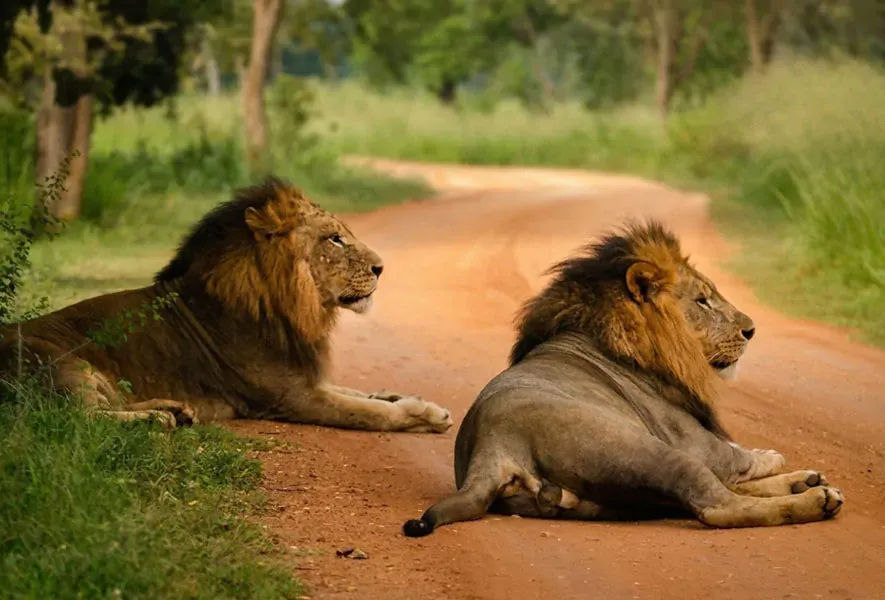
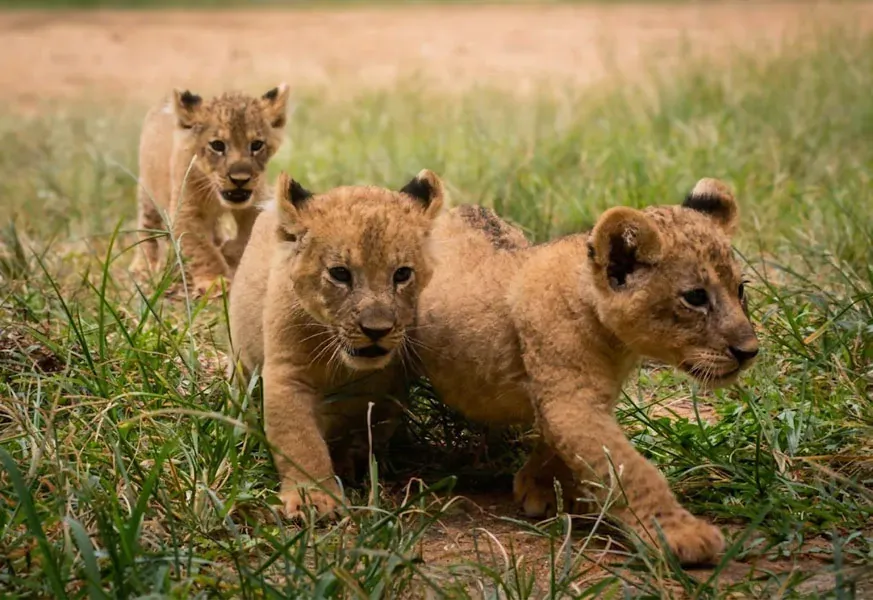
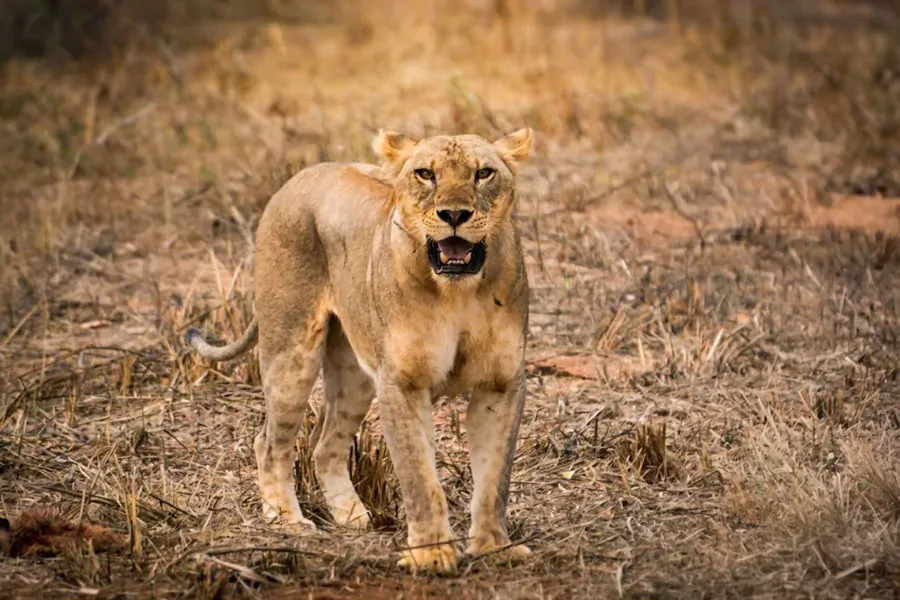
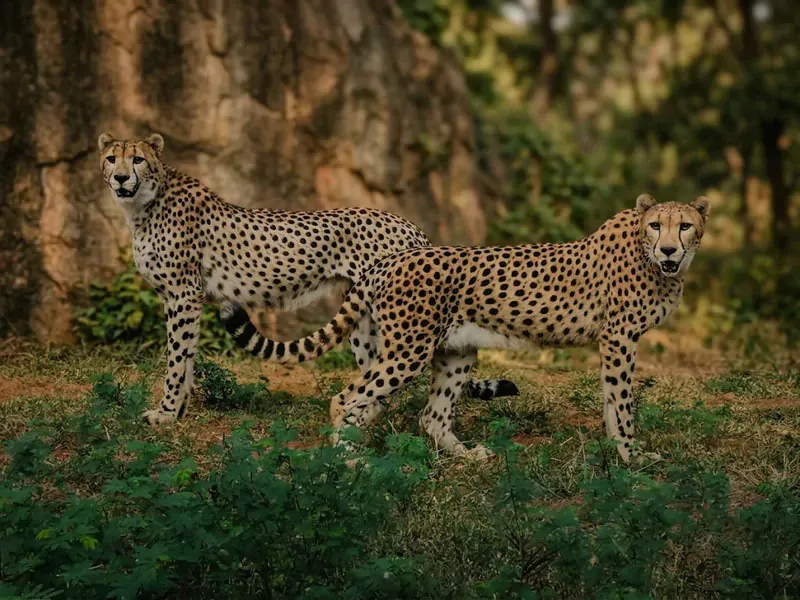
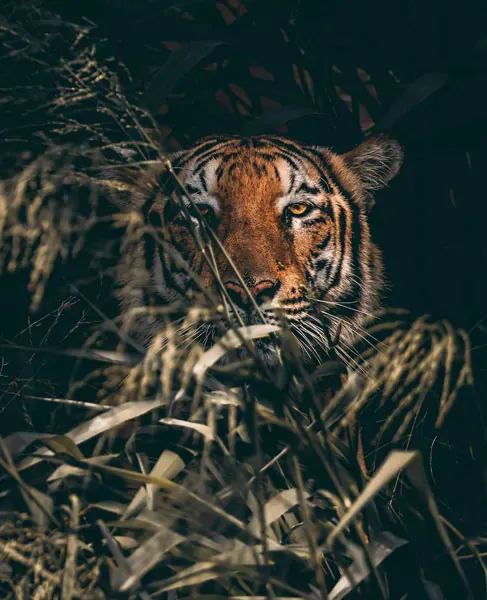
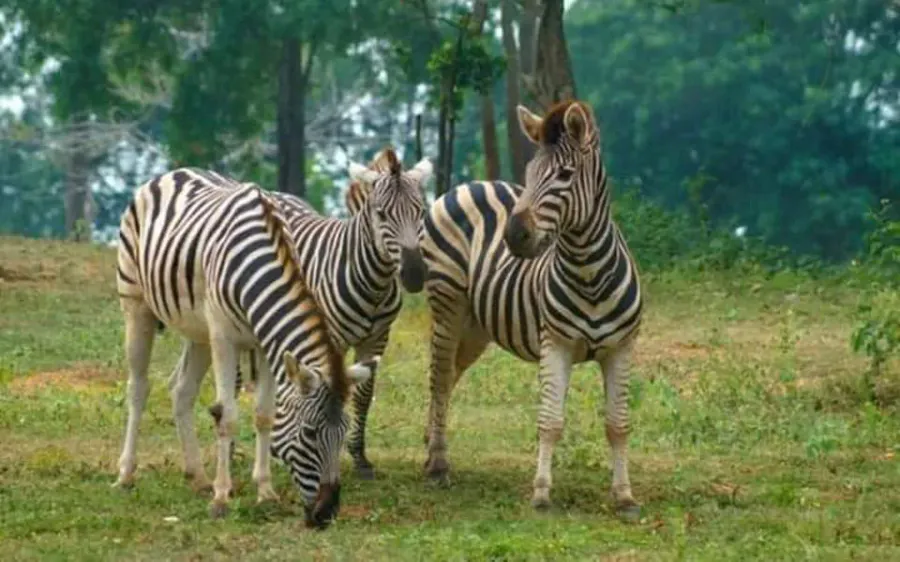
Be clear about what this is. Ridiyagama is a managed park with introduced species. The lions, tigers, cheetahs and zebras are not Sri Lankan wildlife and are not living wild. It is a genuinely good few hours — particularly with children who have already sat through one long drive — and the enclosures are large. But it is not a substitute for Yala, Udawalawe or Bundala, and anyone who books it expecting a wild safari will be disappointed. Do both, or do the wild one.
Hambantota Birds Park
A short distance away at Nagara Lake, the Birds Park spreads across 52 acres and was inaugurated in November 2014. By its own account it holds over 11,000 birds across more than 350 species, and describes itself as Asia's largest bird research centre. Five zones organise the collection: Wetlands, Wings of Asia, Flightless Birds, the Macaw and Cockatoo Zone, and Parrot Paradise. It is open every day, 6:00am to 6:00pm — early enough to fit in before a long drive.
The park states that its primary mission is breeding endangered bird species, and that it supports ornithology research by local and international students. Its stated breeding programme includes birds destined for international export, which is worth knowing if the ethics of bird collections matter to you.
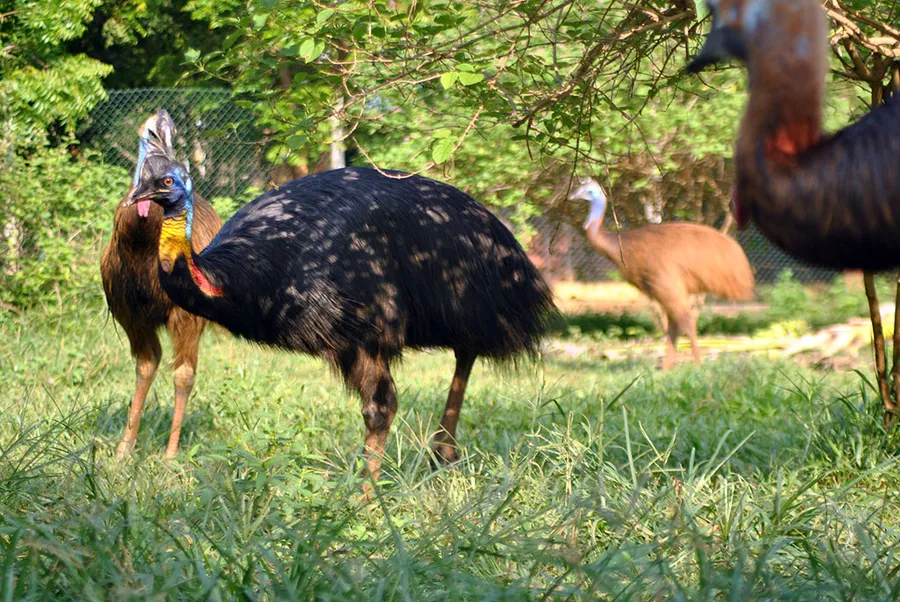
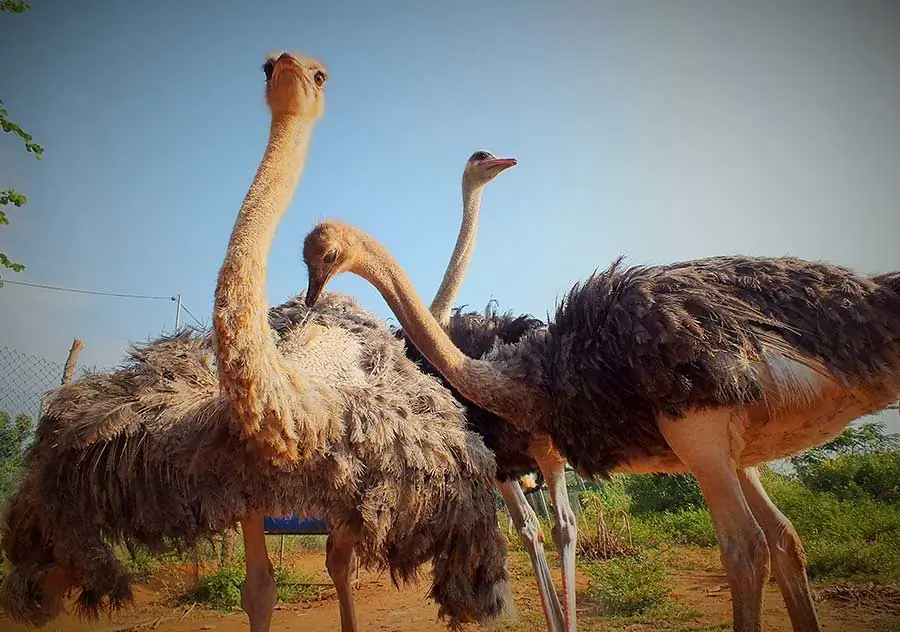
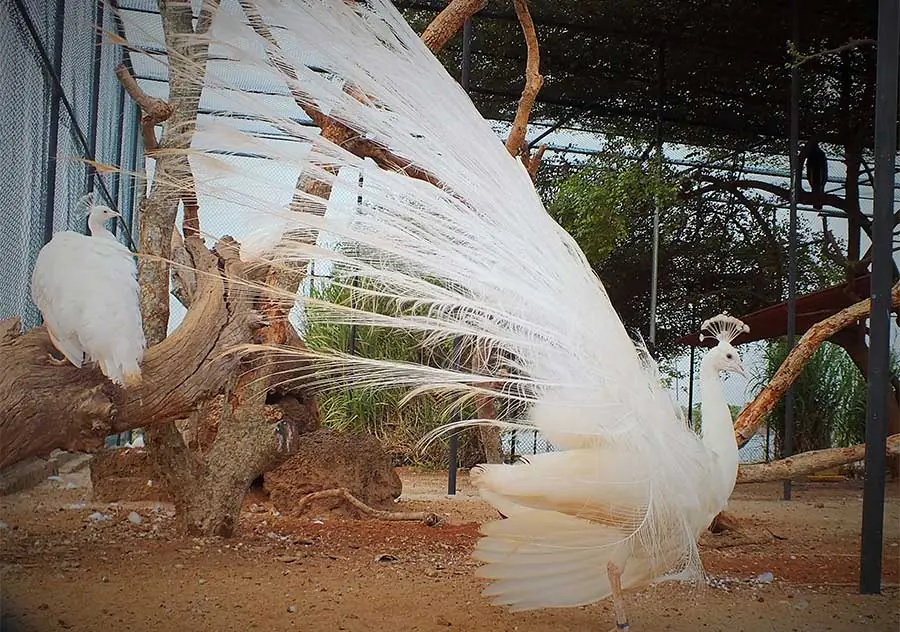
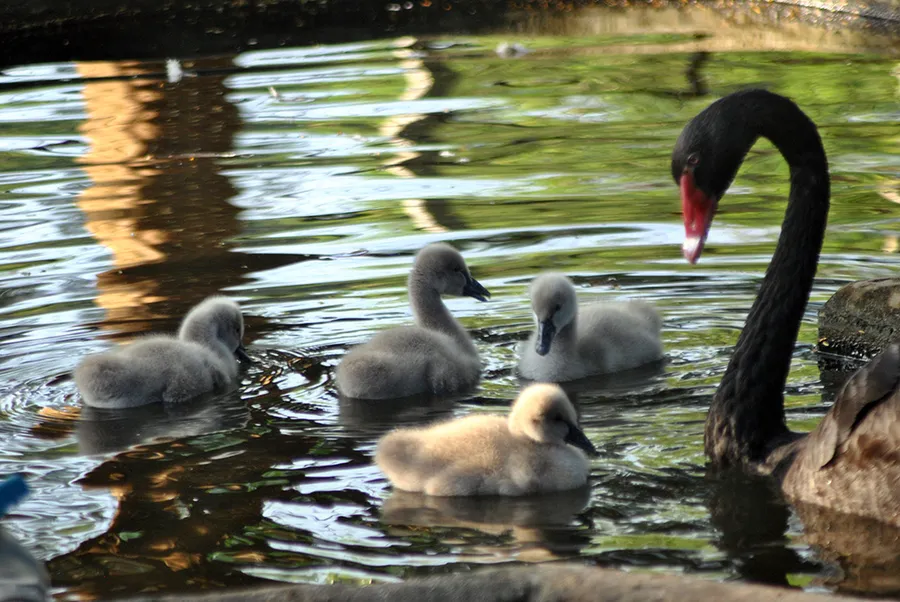
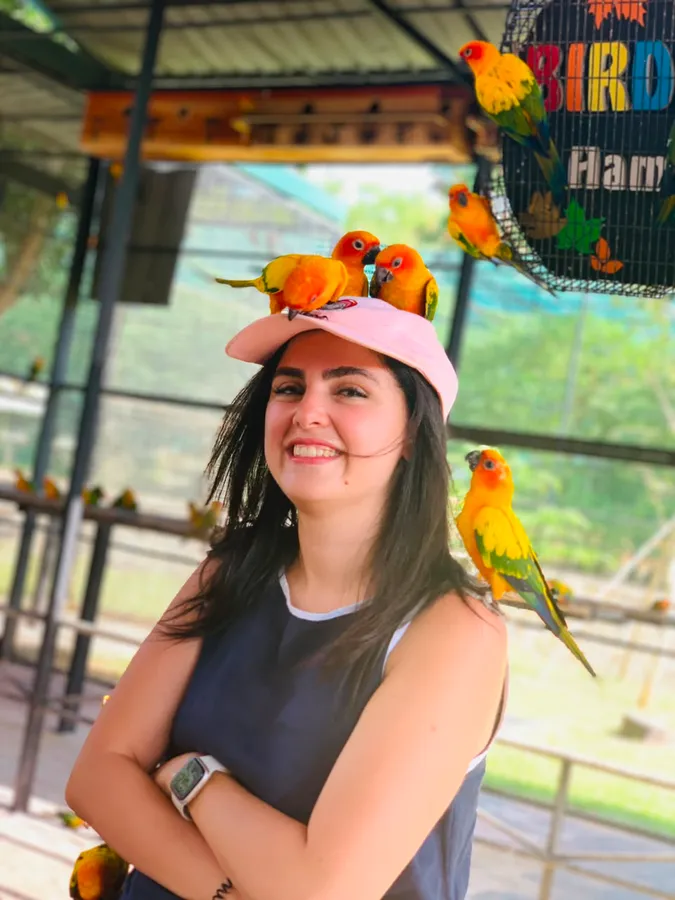
The same caveat applies as at Ridiyagama: this is an aviary collection, not wild birding. If what you want is Sri Lankan birds in Sri Lankan habitat, Bundala is twenty minutes down the same road and will give you flamingos. If what you want is an hour among macaws with children who are done with the car, this does that very well.
Madunagala Hot Springs
Inland at Sooriyawewa, set among paddy between Sooriyawewa and Ridiyagama, is a cluster of thermal springs known as Madunagala or Mahapelessa. Six connected wells hold water at surface temperatures of roughly 34 to 46°C — warm rather than hot, and comfortable to sit in. The site has been developed with changing rooms and laid out as a small park, so this is a bathe rather than a wild spring.
The history is better than the bathing. The springs were recorded by Leonard Woolf during his time as Assistant Government Agent in Hambantota between 1908 and 1911 — the posting that produced the diaries behind The Village in the Jungle. Woolf reached them through jungle and by boat, and took away samples for analysis. They faded from view again until the Uda Walawe development scheme of the 1960s opened up the Walawe basin. Sitting in a tiled pool now, twenty minutes off a main road, it is worth knowing what it took to get there a century ago.
Local tradition holds that the mineral water has healing properties. That belief is old and genuinely held; it is not a medical claim, and we make none.
Ussangoda National Park
If you stop at only one thing on this list, stop here — and it is right on the A2, near the Ambalantota–Nonagama junction.
Ussangoda is a coastal plateau of about 349 hectares, gazetted as a national park in 2010. The ground is red. Not reddish — red, in a way that appears nowhere else in Sri Lanka, and that stops abruptly at the edge of the plateau where ordinary vegetation resumes. Walk out across it to the cliff edge and you have red earth underfoot, low wind-cut scrub, and the Indian Ocean below.
Two explanations circulate, and it is worth keeping them apart. The scientific one is geological: Ussangoda is one of four serpentine sites in Sri Lanka, and serpentine soils are high in heavy metals and low in nutrients, which is why so little grows on them. The popular one is a meteorite impact — often repeated, not established. And the oldest is from the Ramayana: this is said to be where Ravana landed his Pushpaka Vimana, the scorched ground the mark of it. The site is also an important sea turtle breeding area.
Go at the end of the day. Late light on red earth above the sea is the single best photograph on this whole route, and it costs you thirty minutes.
Also on This Road
- Bundala National Park — a Ramsar wetland since 1991, national park since 1993, and a UNESCO biosphere reserve. Around 197 bird species, and the island's most reliable place for greater flamingo, which arrive in flocks. Best roughly August to April. This is the real wild counterweight to the Birds Park.
- Kalametiya Bird Sanctuary — brackish lagoon and mangrove between Hambantota and Tangalle. Quiet, barely visited, good at dawn.
- Hummanaya Blow Hole — at Kudawella, about 11 km from Tangalle. Sri Lanka's largest blowhole and widely described as the world's second largest; spray can reach 80–100 feet. Needs a decent swell to perform.
- Mulkirigala Raja Maha Vihara — around 20 km north of Tangalle, cave temples cut into a 673-foot rock with origins reaching back to the third century. Sometimes called Little Sigiriya. A real climb.
- Rekawa Beach — turtle nesting, with a long-running conservation project. Best April to July, and at night.
Three Ways to Build This In
A. No extra night — add three to four hours
Leave Ella early. Safari at Udawalawe or Yala in the morning, then instead of driving straight through, take Ussangoda in the late afternoon and reach Mirissa after dark. If you have children, swap Ussangoda for Ridiyagama and go earlier. This costs you an evening and nothing else.
B. One extra night at Hambantota or Tangalle — the sweet spot
Day one: descend from Ella, morning safari, afternoon at the Dry Zone Botanic Gardens, overnight on the coast. Day two: Ussangoda at first light or Bundala for flamingos, hot springs or Ridiyagama mid-morning, then run west to Mirissa with an afternoon still in hand. One night converts a transit day into a region.
C. Two nights — the full deep south
Adds Kalametiya at dawn, Mulkirigala, Hummanaya, and Rekawa for turtles in season. Worth it for repeat visitors, birders, and anyone who found the hill country crowded and wants the opposite.
If you can only pick two: Ussangoda and the Dry Zone Botanic Gardens. Neither has an equivalent anywhere else in the country, and between them they take half a day.
Frequently Asked Questions
How long is the drive from Ella to Mirissa?
Around 180 km and roughly three to three and a half hours direct, using the Southern Expressway for the last stretch. With a safari at Udawalawe or Yala it becomes a six-hour day. Adding the stops here comfortably makes it two days.
Is Ridiyagama Safari Park worth it if we are already doing Yala?
As a wildlife experience, no — it is a managed park with introduced species and will not add to what Yala gives you. As a break in a long drive, especially with children, yes. Judge it as a good afternoon out rather than as a second safari.
When is the best time to visit this region?
The south-east is driest from roughly January to September, with July the driest month. Rain concentrates from October to December, peaking in November. For wildlife, the dry months are better because animals gather at water. For flamingos at Bundala, aim for the August-to-April window.
Can we do all of this without a driver?
Ussangoda and the botanic gardens sit on the A2 and are reachable by bus with patience. Madunagala, Ridiyagama and Kalametiya are inland or off-road and realistically need a vehicle. Most people on this route already have a driver, which is what makes adding two or three stops so cheap in practice.
Why is this area so much drier than the rest of Sri Lanka?
The central highlands cast a rain shadow. The south-west monsoon drops its moisture on the western slopes, leaving the south-east — along with the north-west coast — as the lowest-rainfall part of the island, at roughly a third of what the wet zone receives.
Sources and Further Reading
Figures for the three managed attractions are taken from the institutions' own official pages:
- Dry Zone Botanic Gardens, Mirijjawila — Department of National Botanic Gardens
- Ridiyagama Safari Park — Department of National Zoological Gardens
- Birds Park Hambantota — official About page
Supporting references: the Department of Wildlife Conservation and the Ramsar Sites Information Service for Bundala National Park; published climate records for Hambantota; and Leonard Woolf's Hambantota diaries from his term as Assistant Government Agent, 1908–1911, for the early record of the Madunagala springs.
Photography Credits
Photographs of the Dry Zone Botanic Gardens at Mirijjawila were taken by Lanka Travel Gateway. Wildlife and aviary photography is reproduced with credit to Ridiyagama Safari Park, Department of National Zoological Gardens, and Birds Park Hambantota.
Image rights remain with the respective institutions and their photographers. If you are a rights holder and would like an image credited differently or removed, please contact us and we will act promptly.
Opening hours, ticket prices and park zone availability change. Confirm before travelling, particularly for Ridiyagama, where zones open and close for management reasons.
Photo Gallery
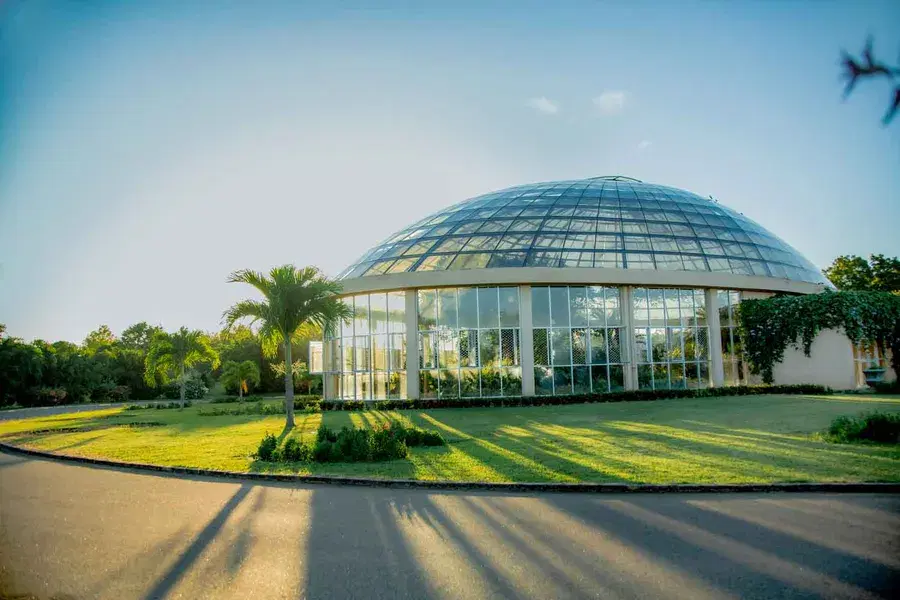
Conservatory, Dry Zone Botanic Gardens
The glass-domed conservatory at the Dry Zone Botanic Gardens, Mirijjawila — the largest botanic gardens in Sri Lanka by extent, opened to the public in 2013.
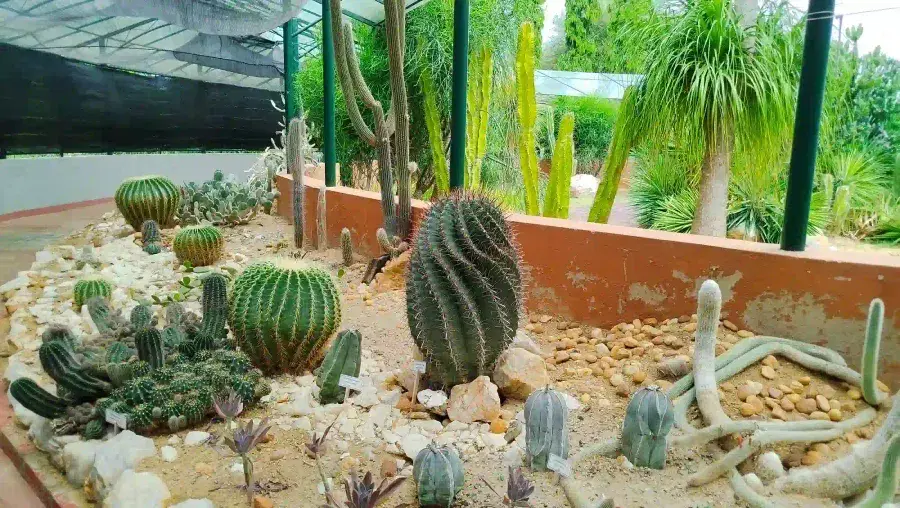
Cactus and Succulent Collection
Labelled cactus and succulent beds under shade netting, part of the gardens' work conserving arid-climate plants outside their natural habitat.
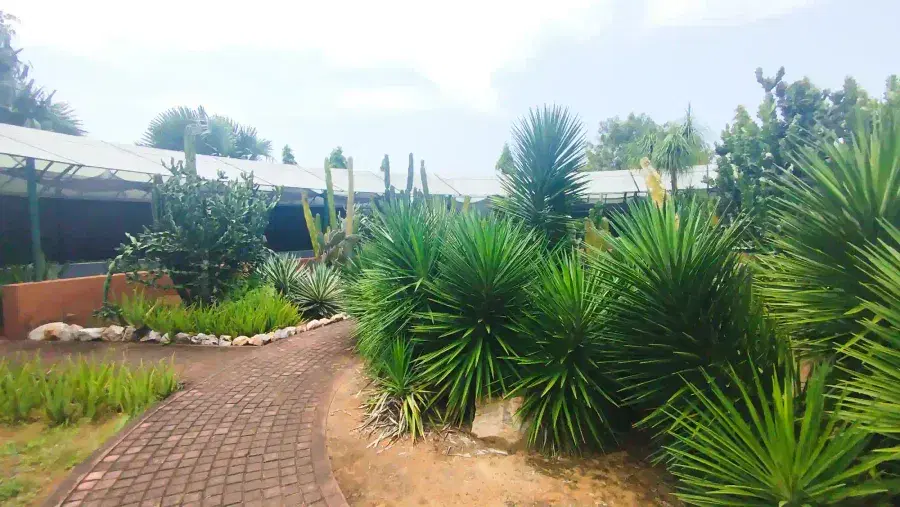
Arid-Climate Beds
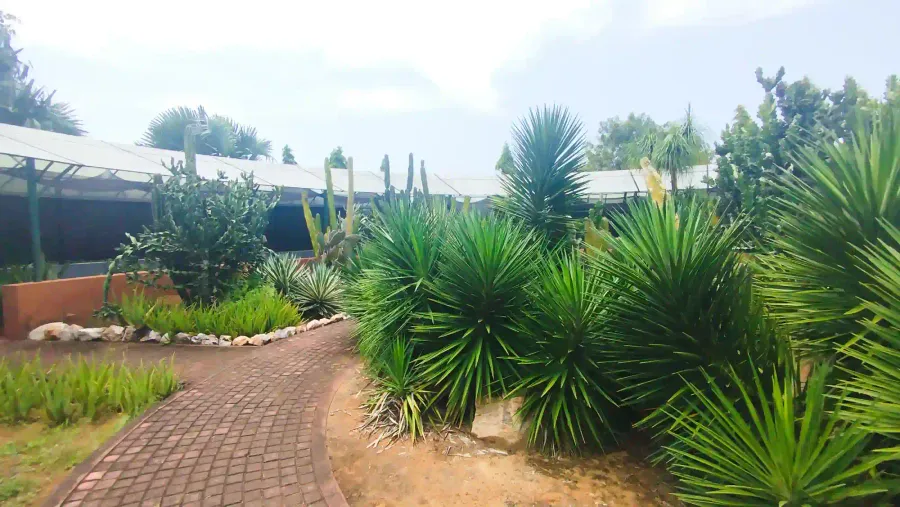
Brick paths run between yucca and agave planting, with shade houses behind.
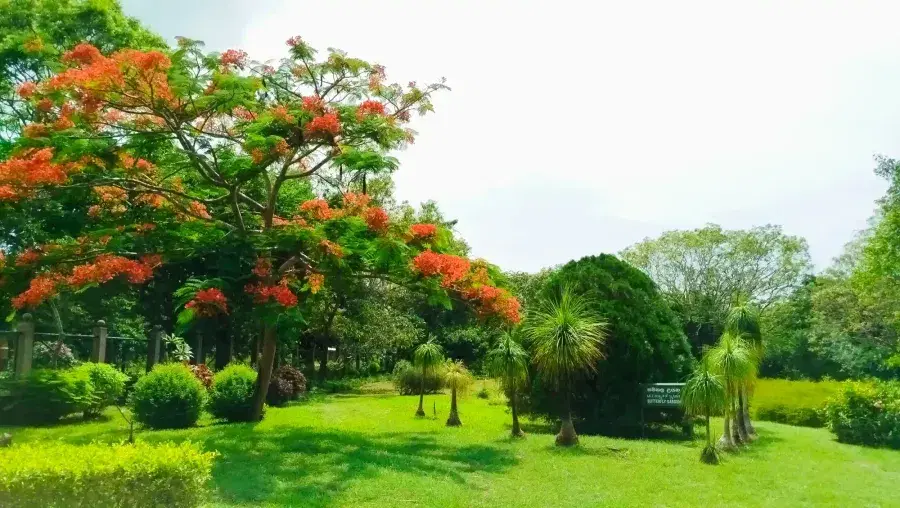
Flame Tree and Butterfly Garden
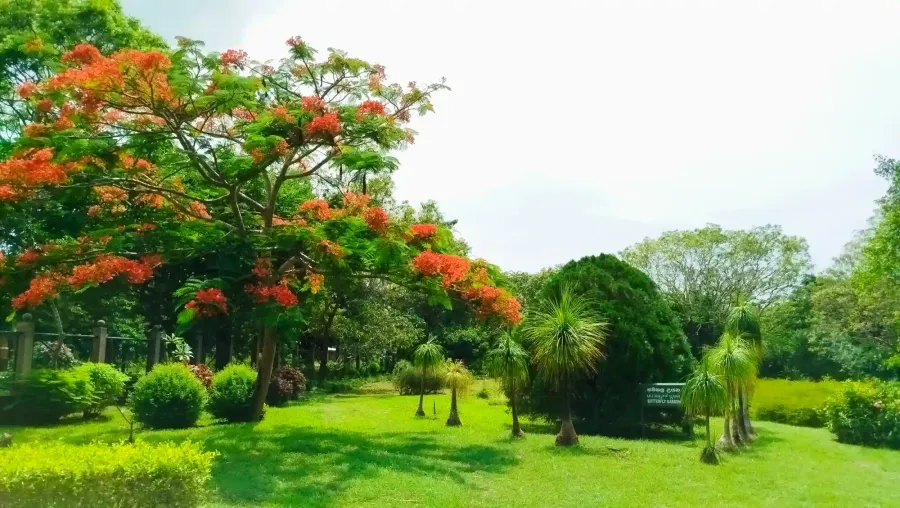
A flame tree in full flower beside the butterfly garden, one of several themed areas within the 300-acre site.
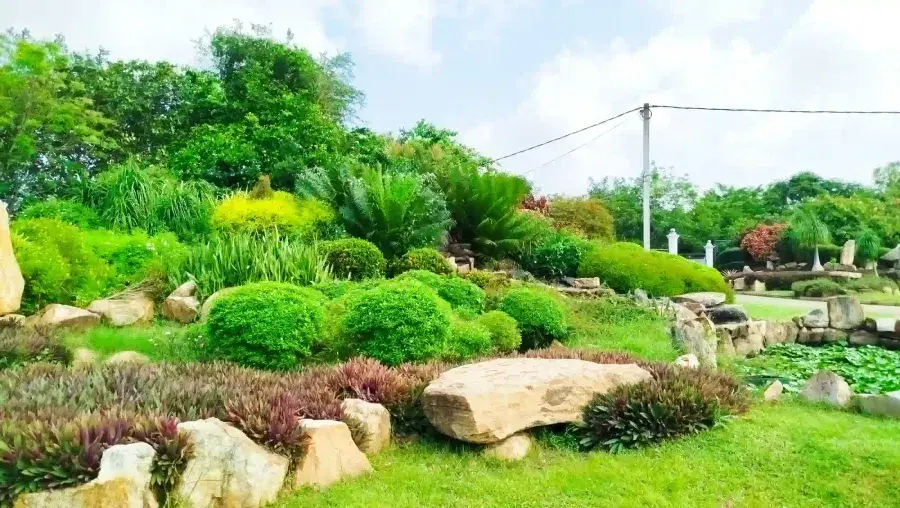
The Rock Garden
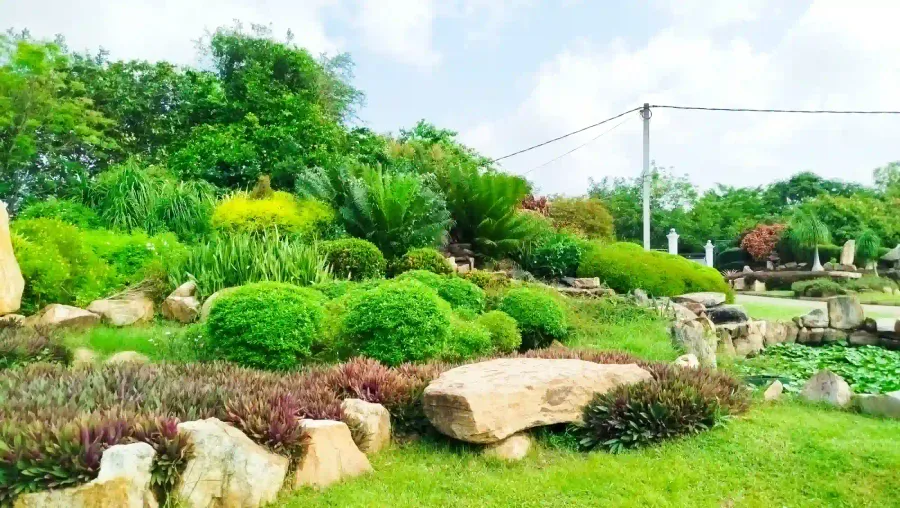
Clipped shrubs and boulders in the rock garden, planted for a region that sees meaningful rain in only three months of the year.
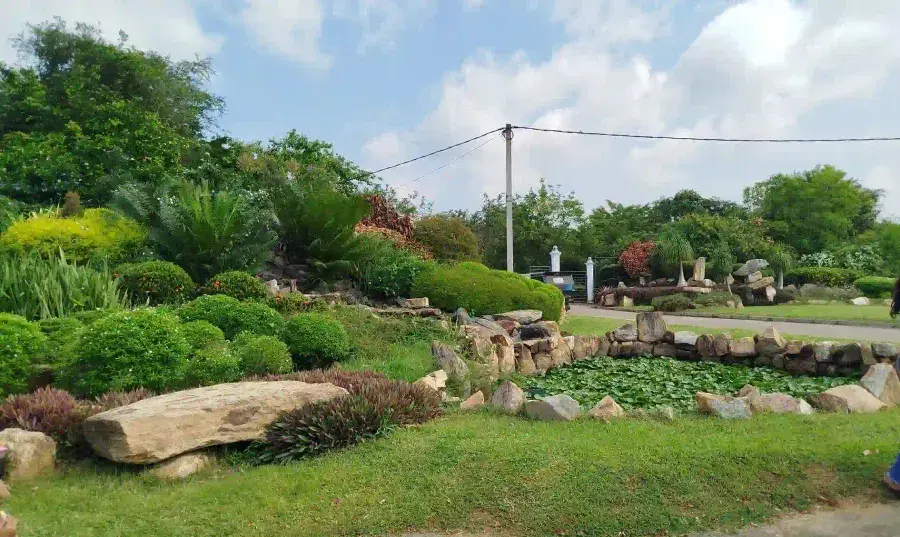
Lily Pond and Rockery
A lily pond set into the rockery at the Dry Zone Botanic Gardens near Hambantota.
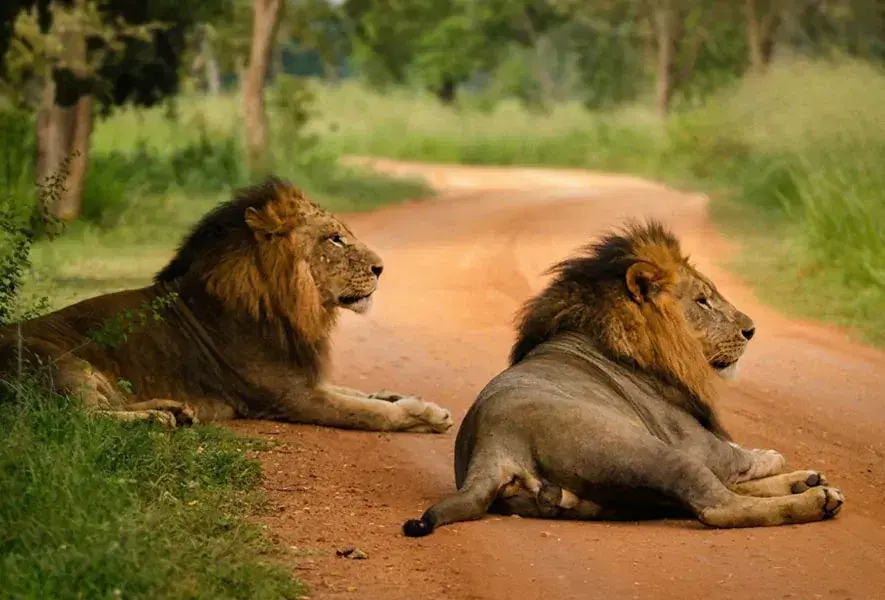
Lions at Ridiyagama
Male lions in the African lion zone at Ridiyagama Safari Park, Sri Lanka's only drive-through safari park. These are introduced animals in a managed park, not Sri Lankan wildlife.
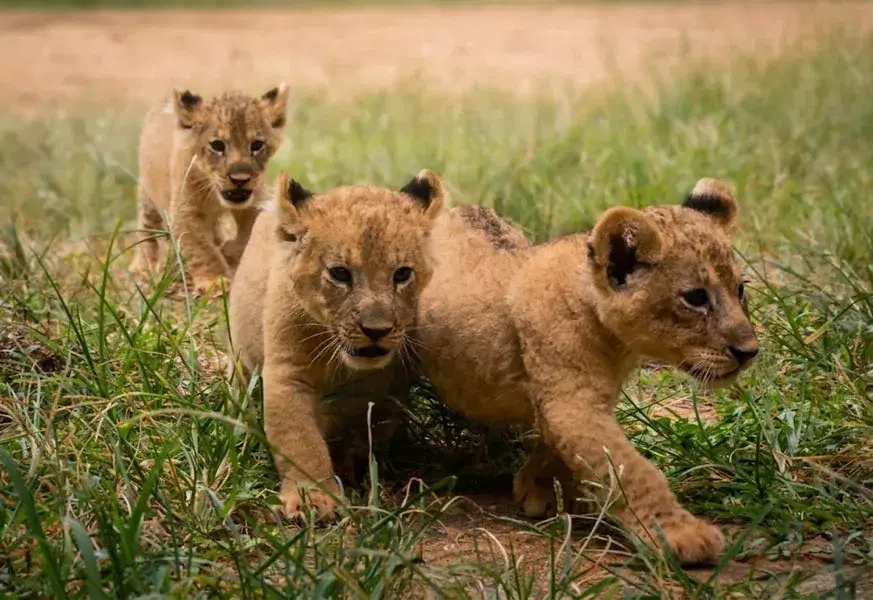
Lion Cubs
Lion cubs at Ridiyagama Safari Park, which is operated by the Department of National Zoological Gardens.
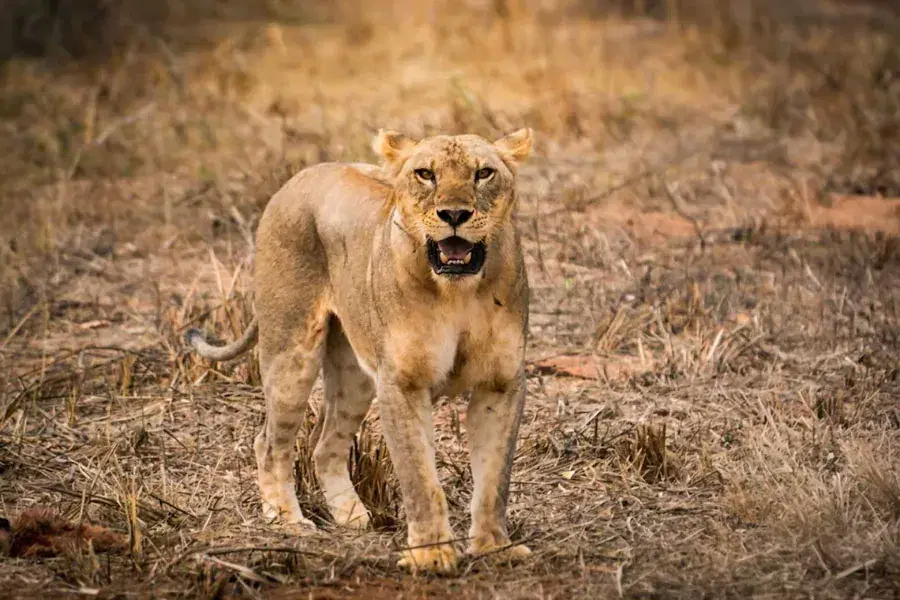
Lioness in Dry-Season Grass
A lioness crossing straw-coloured grass — the colour the south-east holds for most of the year.
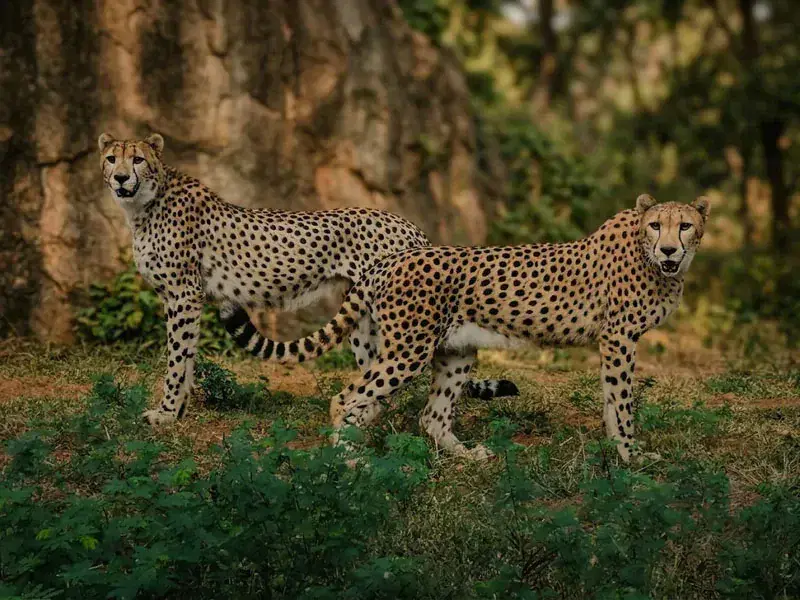
Cheetahs
Cheetahs at Ridiyagama. Cheetahs do not occur in the wild in Sri Lanka.
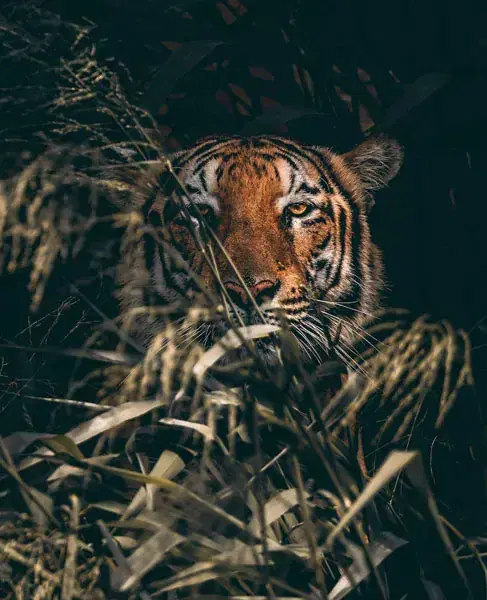
Tiger
A tiger in the carnivore section of the park.
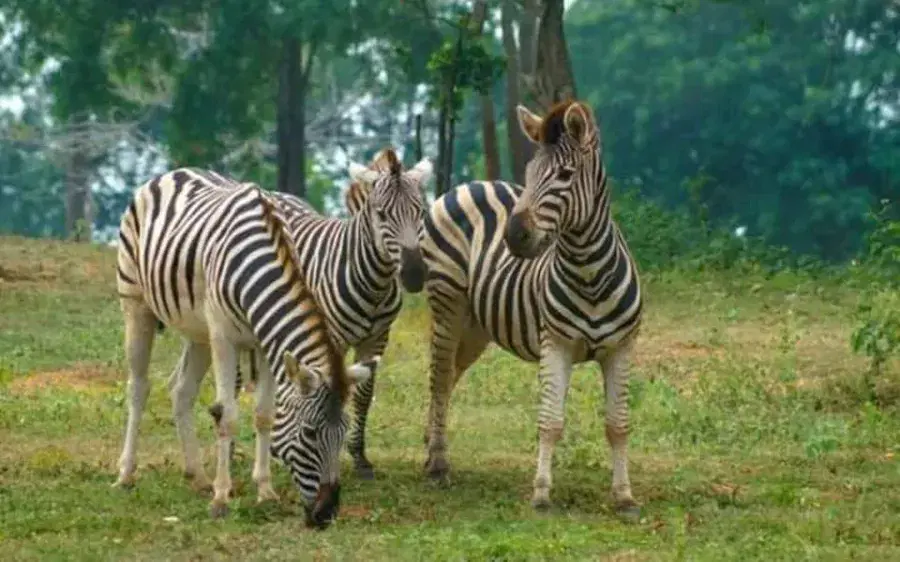
Zebras
Zebras grazing in one of the herbivore zones at Ridiyagama Safari Park.
Birds Research Centre, Hambantota
Signage at the entrance to the Birds Park and research centre at Hambantota.
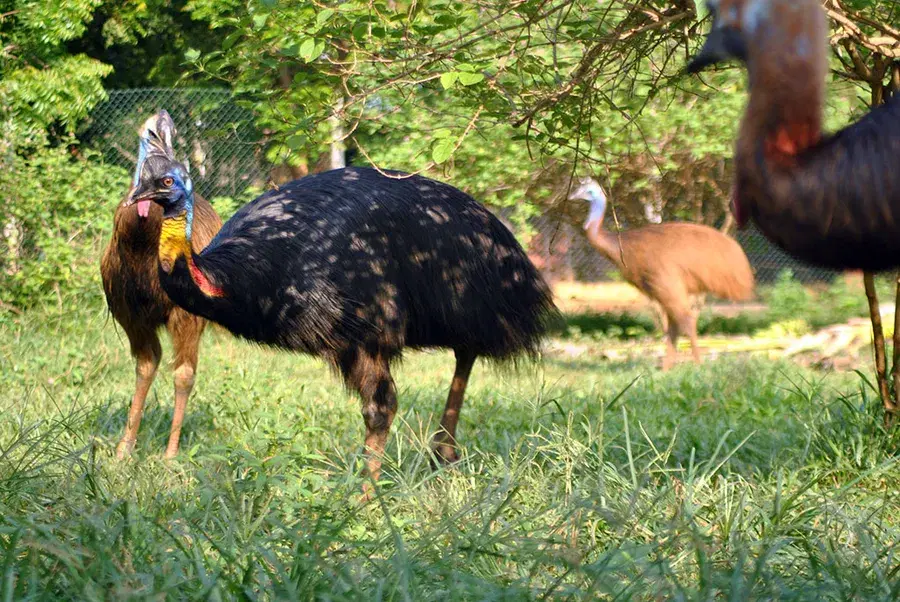
Cassowary and Emus
A cassowary and emus in the flightless birds zone, one of five zones at the park.
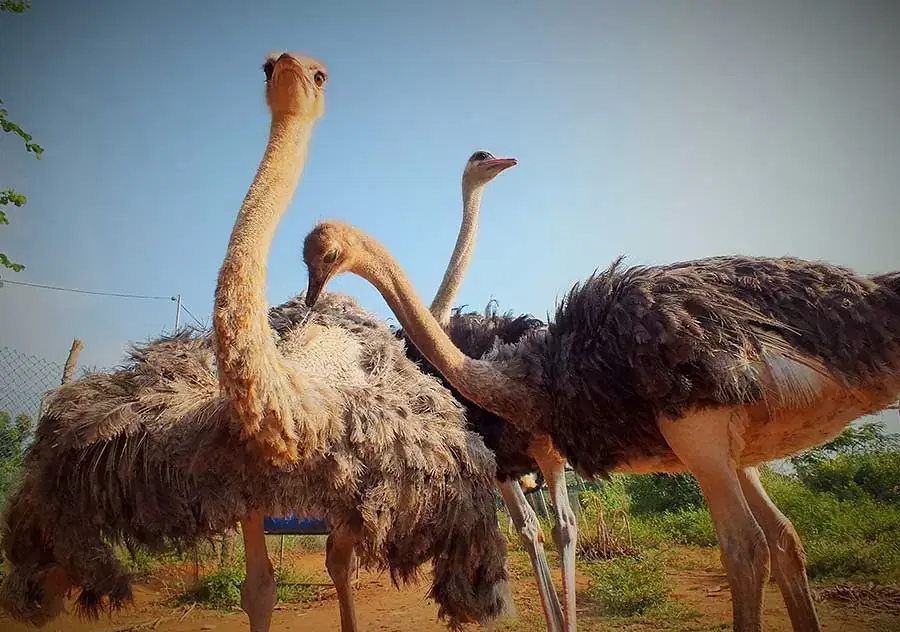
Ostriches
Ostriches in the flightless birds zone, kept alongside the cassowary and emus.
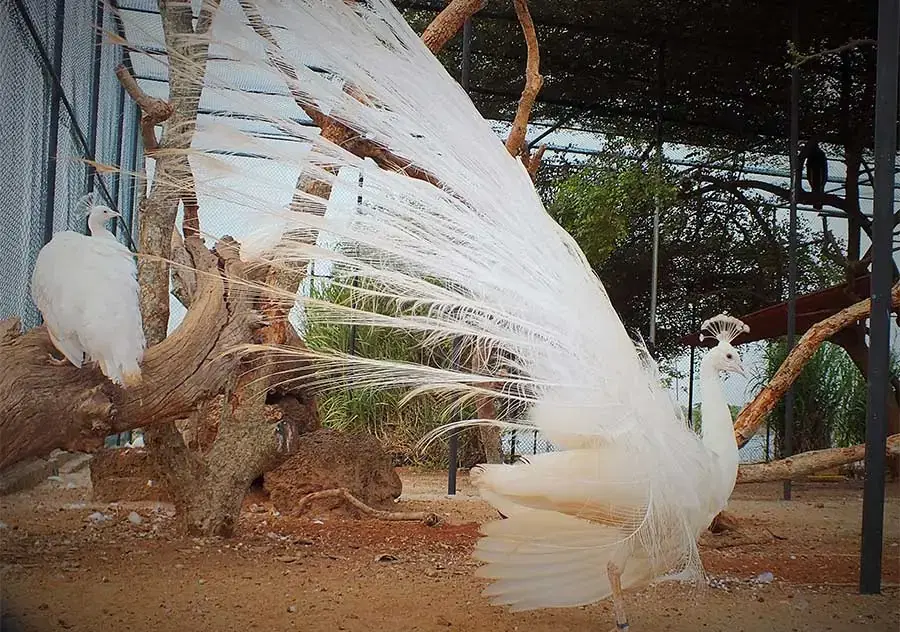
White Peacock in Display
A white peacock with its tail fanned in one of the walk-through aviaries at Hambantota Birds Park.
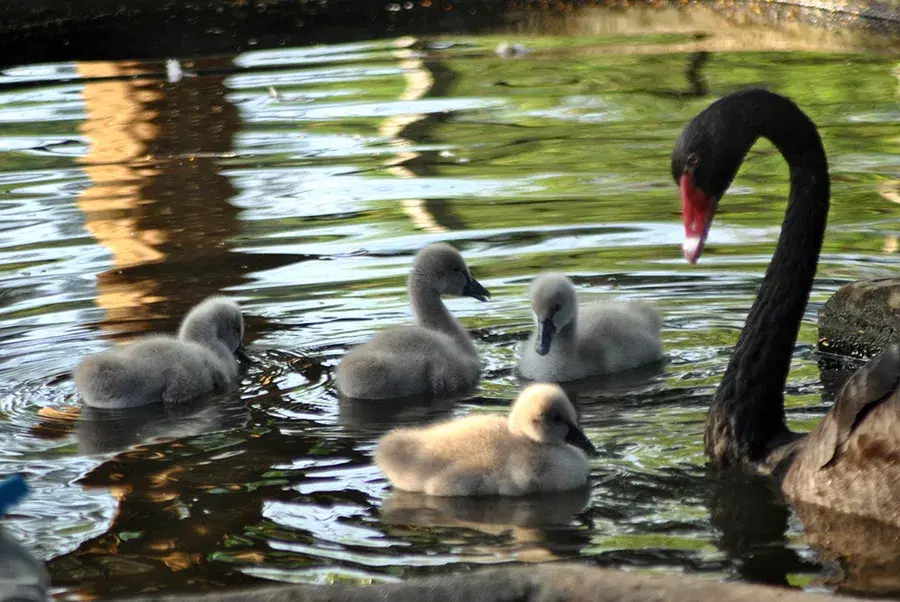
Black Swan and Cygnets
A black swan with cygnets on the water at Hambantota Birds Park.
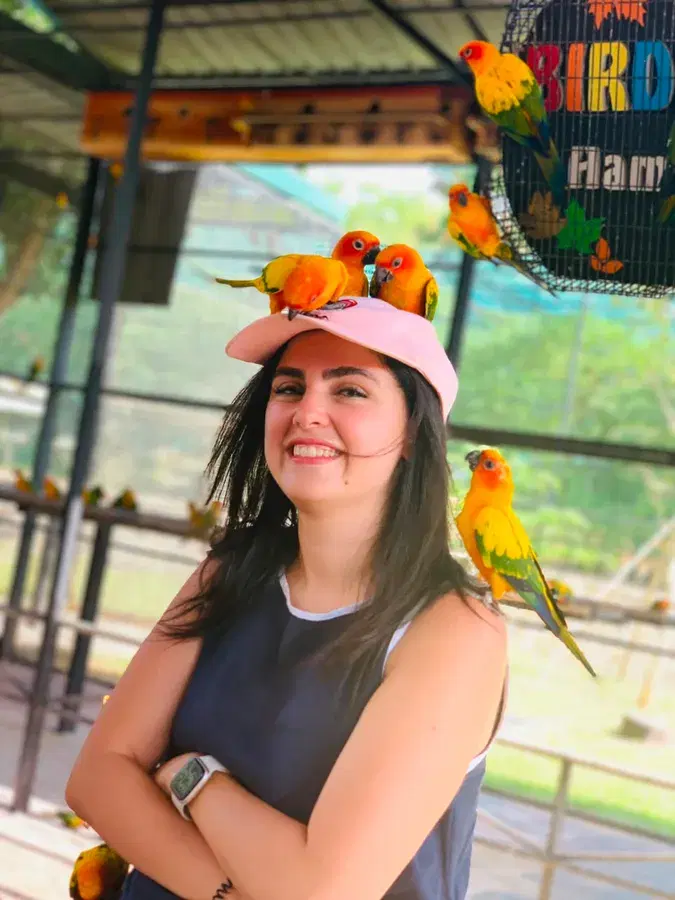
Sun Conures in the Parrot Aviary
Sun conures settling on a visitor in the walk-through parrot aviary — the part of the park that works best with children.
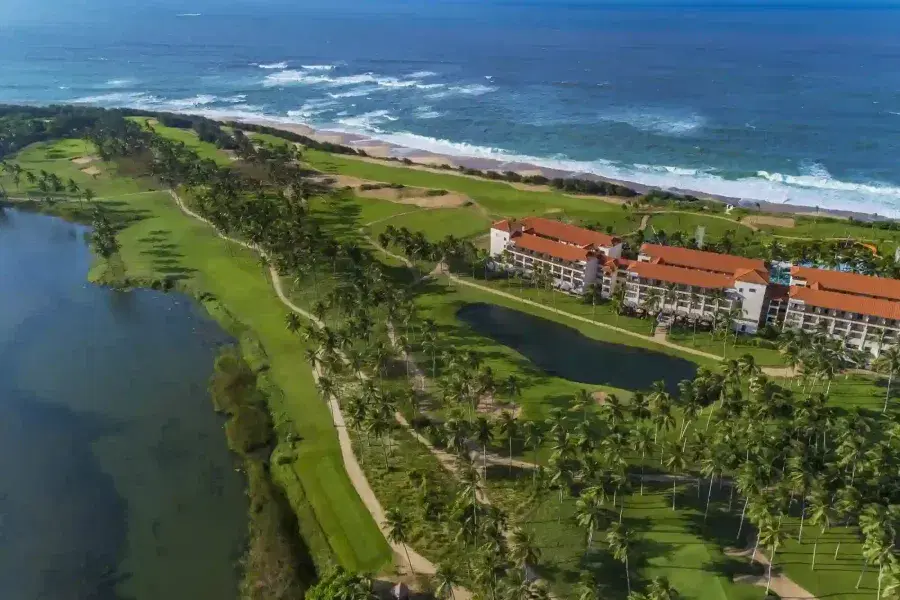
The Hambantota Coast
The coastline east of Hambantota, where dry-zone scrub, lagoon and salt pan meet the Indian Ocean.